


Parents in Bahrain are being urged to educate their children on how to respond if they receive unsolicited messages from strangers online.
Speaking on the Interior Ministry’s Al Aman social media programme yesterday, Hidd Police Station head Colonel Dr Osama Bahar urged parents not to punish children for receiving such messages, but instead to encourage open communication to safeguard their wellbeing.
“I want parents to tell their sons and daughters that they will stand by them and not punish them for any words or images sent by a stranger,” he said.
“Advise them and remind them how much you love them.
“The government and ministries also organise recreational and educational programmes, as well as training camps, to raise awareness among children. They also amend laws and take various measures to protect them because we care about their safety and wellbeing.”
Strangers often target children through popular online platforms, using social media, messaging apps and multiplayer video games to make contact.
Apps such as Snapchat, Instagram and TikTok enable adults to send direct messages or pose as teenagers, while multiplayer games and communication platforms like Discord allow strangers to interact with minors through text and voice chats. Messaging services such as WhatsApp are also commonly used to move conversations away from public view.
Predators often lie about their age and identity, pretending to be children or teenagers. They may offer free game credits and points in exchange for attention or photographs, and often begin with friendly conversations centred on shared interests and hobbies before asking for personal details.
Once trust has been established, they typically attempt to shift communications to private platforms, making it more difficult for parents and guardians to monitor their activities.
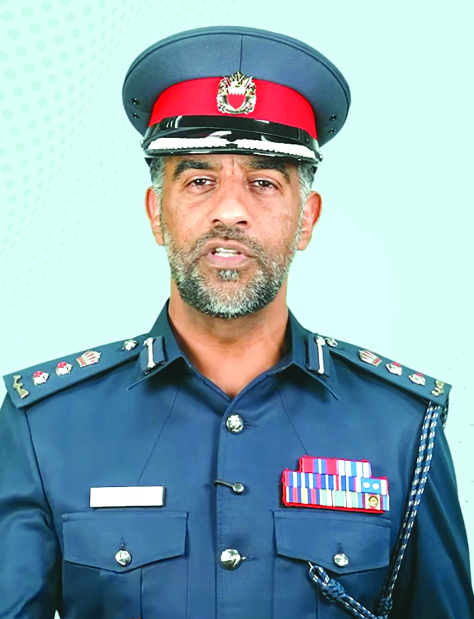
Col Dr Bahar
Col Dr Bahar also advised children on what to do if they receive messages from someone they do not know.
“Do only one thing for me – avoid talking to anybody you don’t know on any software, game, or app,” he said.
“If a stranger contacts you, please screenshot the messages and pictures, and do not reply at all.
“Your parents won’t be upset or reduce your screen time because of this, so show them what the stranger sent you.”
Col Dr Bahar cited a case in the US involving a minor who was contacted online by someone posing as a teenage girl.
“The boy was contacted by a girl who was a complete stranger – not from his school or family circle,” he said.
“She chatted with him and found out which school he attended, where he lived, who his parents were, and even his home address.
“The girl sent him inappropriate pictures and he sent some of his own.
“He later discovered that the girl he was talking to was actually three men from Africa who conspired against him.
“Behind the picture of the pretty girl was a group of monsters who wanted to hurt him.”
The GDN reported last year that Bahrain offers one of the safest online environments for children, ranking 29th in the KidsRights Index 2024, which assesses countries on children’s rights, health and education.
In January, the Shura Council proposed banning children under 15 from creating social media accounts in response to growing concerns about the risks young users face online. However, the government objected to the proposal, warning that an outright ban could be difficult to enforce and could raise privacy and data protection concerns.
In a memorandum accompanying proposed amendments to Bahrain’s Child Law, the government said that while online child protection was becoming increasingly important, a blanket prohibition was not necessarily the most effective legal solution.
The memorandum noted that children today use a wide range of digital services beyond social media, including educational, communication and entertainment platforms, many of which have become an integral part of daily life and modern learning.
nader@gdnmedia.bh
&uuid=(email))