

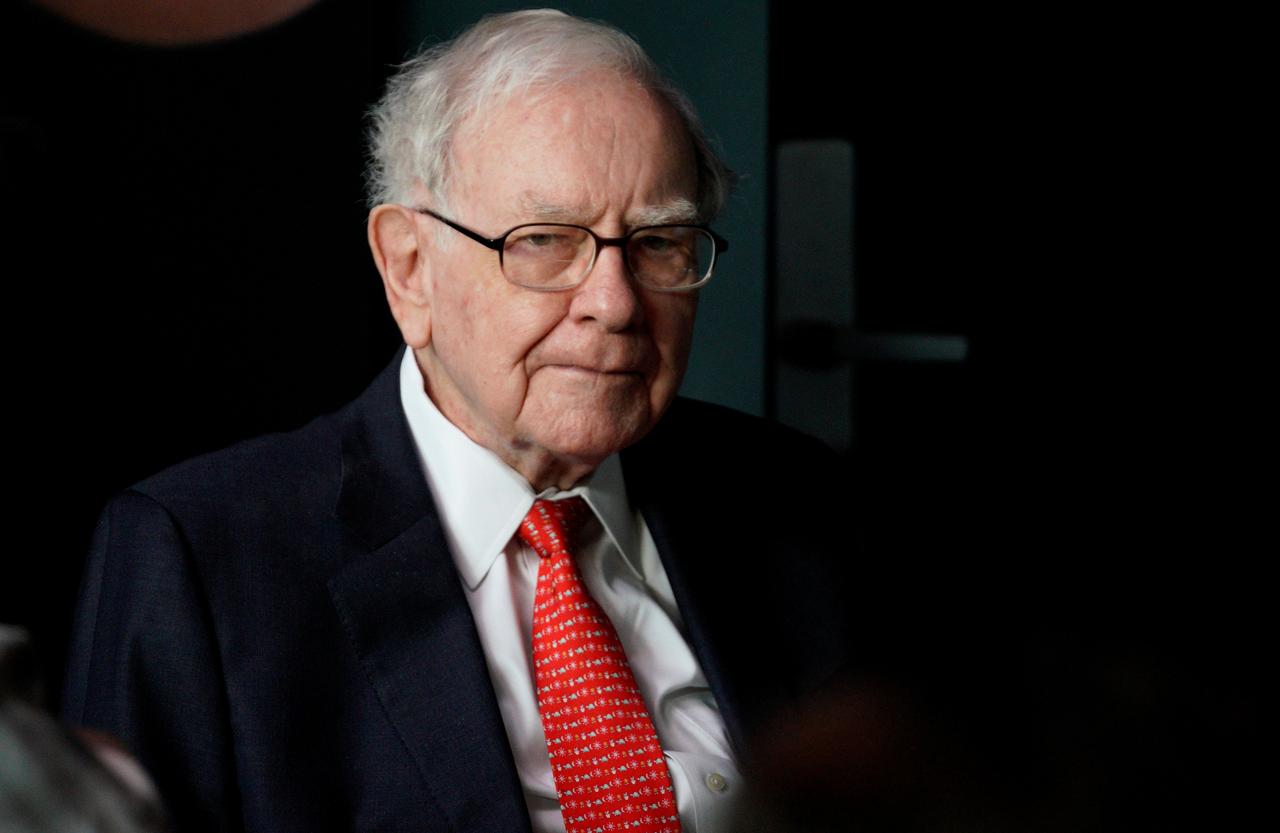
Warren Buffett’s formal departure as Berkshire Hathaway chairman this month completed a succession that had been prepared over years: Greg Abel now carries operational leadership as CEO, while Howard Buffett has become non-executive chairman with an explicit role in preserving the company’s culture.
The episode highlights a question that matters to Gulf family businesses and long-established institutions: when a leader has shaped an organisation for decades, how does the organisation preserve confidence without becoming trapped by the past?
A succession plan should do more than identify the next name. It should define the transfer of authority, knowledge, relationships and culture.
These do not move at the same speed.
Formal authority can transfer overnight. Trust may take years.
Institutional knowledge can disappear in weeks if it was never captured. Culture can weaken gradually because everyone assumes someone else is protecting it.
The outgoing leader therefore has a final leadership task: make departure operationally safe.
That means allowing successors to make consequential decisions before the transition, ensuring key relationships have more than one institutional owner, and making clear when the predecessor will advise and when they will step aside.
The successor has an equally difficult task. Continuity does not mean imitation. A new leader who copies every habit of the predecessor may preserve appearance while preventing adaptation.
The objective is to preserve the organisation’s principles while allowing its methods to evolve.
For Gulf institutions entering generational transitions, this distinction is particularly important. A respected founder can remain part of an organisation’s identity without remaining its permanent decision centre.
The strongest legacy is not continued dependence.
It is confidence that survives absence.
Abdulla Saeed Alhebsi
&uuid=(email))