

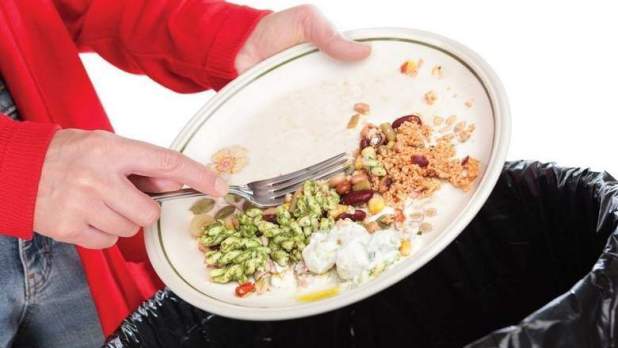
The agreement between Muharraq Municipality and the Conserving Bounties Society to reduce food waste and help people in need is a welcome and timely move.
Every day, large amounts of food are thrown away by restaurants, cafés, hotels, malls and other food businesses, much of it still untouched and safe to eat. At the same time, many families and low‑income workers struggle to afford enough nutritious meals.
Instead of sending good food to landfills, where it contributes to greenhouse gas emissions and environmental harm, it makes far more sense to channel it to those who need it most.
Bahrain faces a serious food‑waste challenge: according to reports online, household food waste alone exceeds 216,000 tonnes a year and almost triples during Ramadan. Regional data suggest about a third of food served is wasted.
Globally, food waste is among the top sources of emissions, and economically it costs hundreds of billions of dollars annually. Locally, initiatives like the Conserving Bounties Society (Bahrain Food Bank) have already saved dozens of tonnes of surplus food and distributed tens of thousands of meals to families and labourers.
For maximum benefit, other municipalities should replicate this model, and more businesses should join as regular donors. Schools, households and event organisers can also help by planning portions, storing food properly and donating surplus through approved channels. With wider participation, Bahrain can turn a daily waste problem into a national practice of care, making the country cleaner, kinder and more food‑secure.
K S Sundaram
&uuid=(email))