

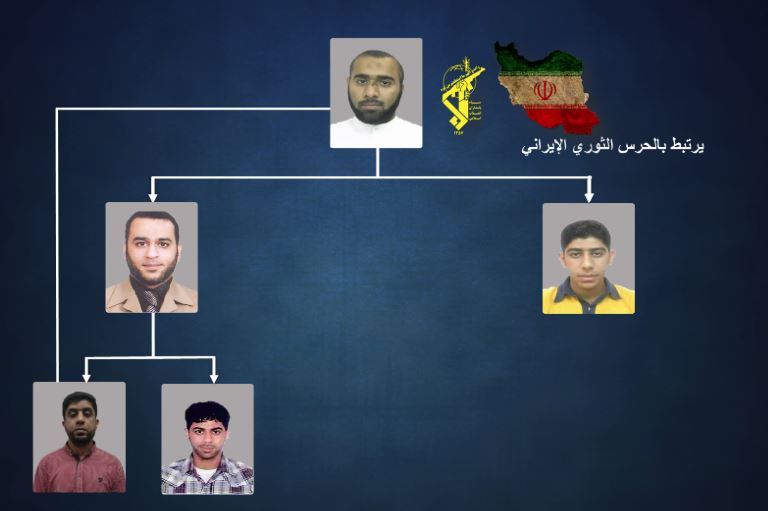
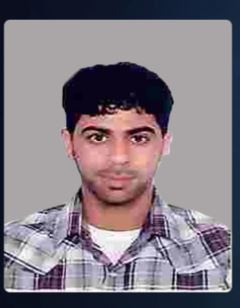
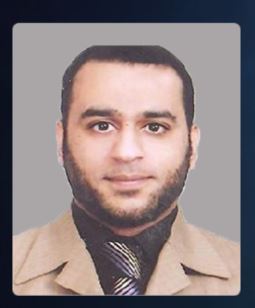
The terror cell responsible for carrying out attacks on police forces, with mastermind Qassim Abdullah Ali Ahmed, at the top, and other members under him
A MAJOR plot to assassinate public figures and target three oil pipelines has been foiled, it was revealed.
The terror cell planning the attacks had links to Iran, said Public Security chief Major General Tariq Al Hassan.
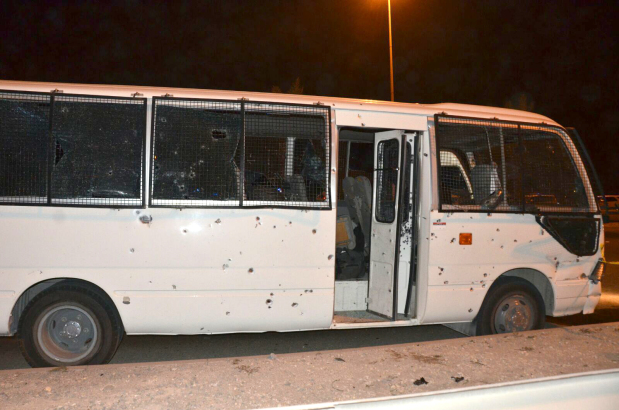
He said a Bahraini had been arrested in connection with a terrorist attack on a police bus near Jidhafs last month in which policeman Salman Al Anjum was killed and eight others were injured.
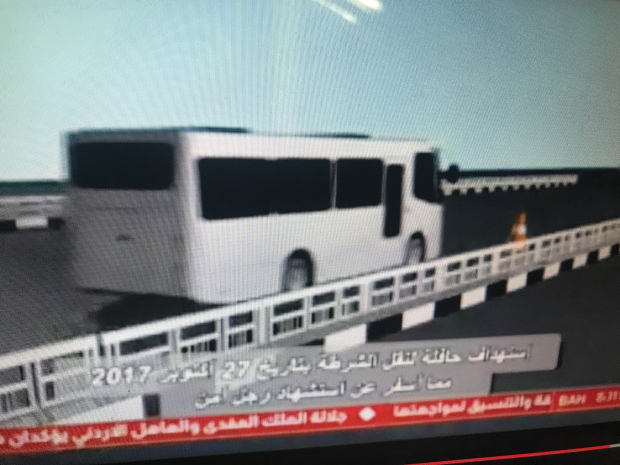
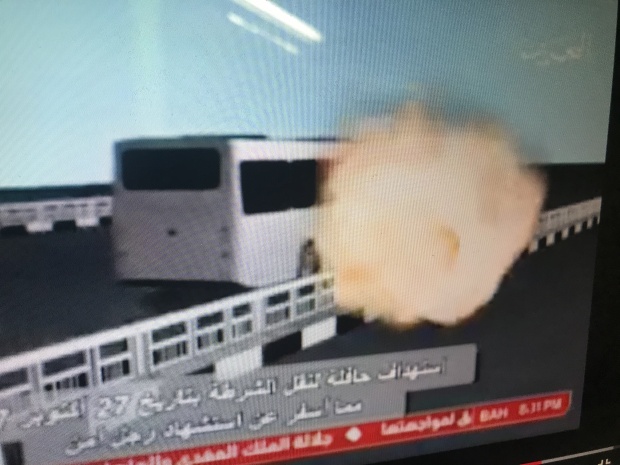
The homemade bomb was apparently placed under a traffic cone that was remotely detonated next to the bus on Shaikh Khalifa Bin Salman Highway towards Manama near Jidhafs on October 27.
Militant group Saraya Wa’ad Allah (God’s Promise Brigade) claimed responsibility for the blast.
A statement claimed that members of the group were followers of Redha Al Ghasra, a convicted criminal who escaped from prison in January and was killed in February in a shootout with police as he and a few other wanted terrorists were trying to flee the country in a boat heading towards Iran.
“As part of our counter-terrorism operations, we arrested a person in connection with the Jidhafs terrorist attack while his accomplice is believed to have fled to Iran after the blast,” said Maj Gen Al Hassan.
“Bahraini fugitives in Iran and the Iran Revolutionary Guard Corps (IRGC) were behind this heinous crime.
“They also wanted to target three oil pipeline sites and assassinate public figures.”
He said weapons training, including manufacturing home-made bombs, was provided by IRGC.
“The members of the cell travelled by land to Syria and then to Iran in October 2011. Their passports were not stamped at the Syria-Iranian border and they travelled again to Iran in July this year.”
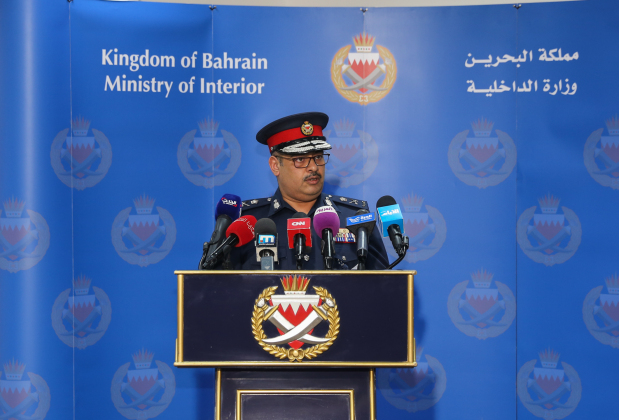
Maj Gen Al Hassan was speaking last night at a Press conference at the Officer’s Club in Gudaibiya.
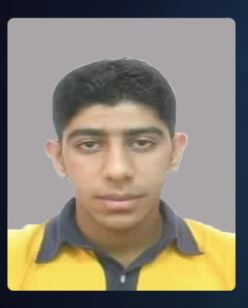
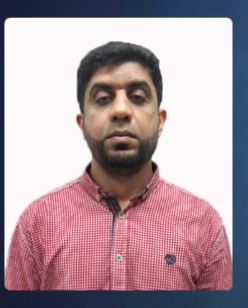
The arrested terrorist was identified as Zuhair Ebrahim Jassim Abdullah Abbas, 37, who owns a restaurant in Sitra.
He is believed to have taken part in plotting and executing various terror crimes and received explosives and weapons training in Iran.
He was arrested with a phone, programmed in Iran to exchange encrypted messages between members of the terror cell.
The second terrorist who escaped to Iran two days after the blast was identified as Mohammed Mahdi Mohammed Hassan, 39, a truck driver, who is thought to be the main plotter and bomb-maker.
He is also sentenced in eight cases of robbery and rioting.
Three other members of the cell are all fugitives living in Iran.
They have been identified as:
– Qassim Abdullah Ali Ahmed, also known as Qassim Al Muamen, 28, whose nationality was revoked. He was sentenced to life imprisonment in terror cases and was responsible for co-ordinating training for terrorists.
– Sadiq Jaffar Mohammed Abdulla Al Tooq, 36, who is wanted in terror-related cases, including making and possessing homemade bombs.
– Mahdi Ebrahim Jassim Abdulla, 28, sentenced to 30 years in terror cases, is an expert in making explosives.
“Members of the terror cell received advanced training by Iranian handlers to manufacture improvised explosive devices (IEDs) and use explosive materials like C4, TNT and RDX.
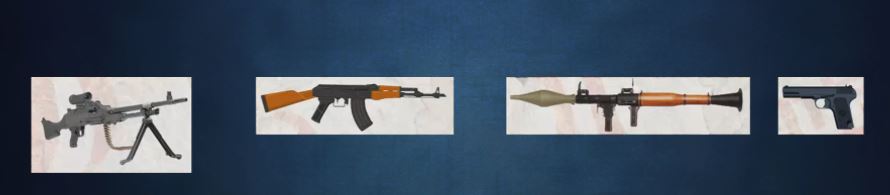
“After completing their theory classes, the group moved to a camp for practical training to use IEDs and shoot weapons like Kalashnikov, M16, RPG, pistol and PK machine gun to target security forces.
Sensitive
“After returning from Iran, members of the terror cell were looking for a safe place to manufacture IEDs to target sensitive locations, while they received financial support from Qassim Al Muamen.”
Maj Gen Al Hassan said security forces zeroed in on the hideout of the terrorists and found evidence, mainly in the form of homemade bombs that were previously used to target security forces.
“Several bomb-making materials and explosive devices were seized from an apartment, some of which were used in the bombing of a police bus in November.
He said the terrorist cell first targeted a police patrol in Sitra on February 12 and on February 14, in which IEDs were used that damaged three civilian cars, and public and private properties.
“They monitored the movement of police patrols and targeted them on August 13 this year using an explosive device resulting in damages and last month (October 2) detonated a bomb in Al Daih in which five policemen were injured during Ashoora.
“The group did not stop at this and targeted a bus carrying policemen on October 27 as it was travelling on Shaikh Khalifa Bin Salman Highway, using a home-made bomb hidden under a traffic cone that was remotely detonated, killing a policeman and injuring eight others.”
Maj Gen Al Hassan said the terrorist cell stole cars and heavy vehicles for their terrorist operations by using their number plates on their modified vehicles to conduct the crime.
“Investigations continue to arrest more suspects and cases have been referred to the Public Prosecution.”
sandy@gdn.com.bh
&uuid=(email))