

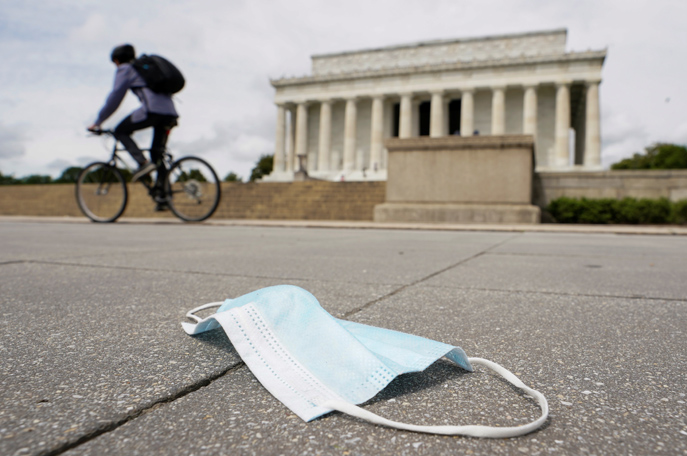
THE current coronavirus (Covid-19) pandemic has made life more complicated in almost every aspect, including plastic pollution.
Due to an increase in demand for single-use, disposable plastic items such as personal protective equipment (PPE), packaged take-out meals and home-delivered groceries, among others, plastic pollution is surging.
To protect people helping to combat the pandemic, there is a huge demand for disposable PPE with the World Health Organisation predicting a 40 per cent increase in production of such items.
PPE such as gloves, face masks and safety visors are major contributors to plastic pollution, if not disposed of properly. For instance, if just one per cent of the face masks (each mask weighs about four gm) is not disposed of correctly, it would generate almost 10 million masks (approximately 40 tonnes) as plastic waste in a single month, according to the World Wildlife Fund.
Another important source of plastic waste includes food packaging, either in the form of home-delivered groceries or packaged take-out meals, and this is adding additional tonnes of plastic waste to the other municipal plastic waste.
The additional plastic waste definitely puts extra burden on current regular waste management strategies and practices. Failure to design strategies in combating disposal of regular municipal plastic waste with additional plastic waste generated due to the current pandemic situation could lead to another epidemic/endemic.
To curb the menace of plastic pollution, plastic should be recycled properly and plastic manufacturers should use recyled plastic rather than rely on fossil fuels. To safeguard the environment from plastic pollution, it is the equal responsibility of individuals as well to support government directives, to achieve Bahrain’s environmental protection goals laid out in the country’s Economic Vision 2030.
Dr Muhammad Faisal Irfan,
Assistant Professor of Chemical Engineering,
College of Engineering,
University of Bahrain
&uuid=(email))