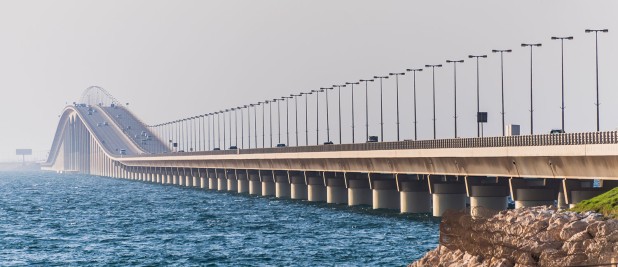
Visitors entering Bahrain from Saudi Arabia via the King Fahad Causeway will soon be greeted with signboards highlighting national landmarks and tourist attractions, under a new initiative unanimously approved yesterday by the Southern Municipal Council.
The proposal, spearheaded by council chairman Abdulla Abdullatif, aims to enhance Bahrain’s visibility and promote lesser-known cultural and historical destinations to Gulf visitors, while encouraging longer stays and deeper engagement with local communities.
“We have a lot to offer in Bahrain – the causeway is our biggest artery,” said Mr Abdullatif. “However, only limited sites have proper signboards. People from across the Gulf want to know more about landmarks such as Shaikh Salman bin Ahmed Al Fateh Fort in Riffa, the Tree of Life in the Jebel Al Dukhan area, and the first oil field in Awali, among other attractions.”

At yesterday’s meeting, from left, Southern Municipal Council vice-chairman Abdulla Bubshait, Mr Abdullatif and Capital Trustees Authority (Municipality) director-general and acting Southern Municipality director-general Mohammed Al Sehli
He explained that the signs would include historical background and directions in both Arabic and English, making them accessible to all visitors. “This will be more than just road signs – they will serve as educational and cultural markers that connect people to our history and achievements,” he added.
Mr Abdullatif also said that the initiative comes at an ideal time, given the recent introduction of a unified GCC visa for expatriate residents, which is expected to increase regional tourism.
“Now, with the unified visa entry for expat residents in the GCC, this move is more necessary than ever,” he said. “It will make Bahrain’s identity more visible to first-time visitors driving in from the Kingdom of Saudi Arabia. Many visitors only come for the weekend – we want them to discover more than just our shopping centres.”
The King Fahad Causeway, which connects Bahrain and Saudi Arabia across 25km, is one of the busiest land borders in the region. The average drive time between Khobar in Saudi Arabia and Manama is around 30 to 45 minutes, depending on traffic and customs procedures – making it a popular route for business travellers, families and tourists from across the GCC. On weekends and holidays, the causeway handles thousands of vehicles daily, underscoring its importance as Bahrain’s main tourism gateway.
“Bahrain’s story should begin the moment visitors set foot on our soil,” said Mr Abdullatif. “These signs will help us tell that story – one of heritage, hospitality and national pride.”
Meanwhile, Northern Municipal Council member and causeway councillor Mohammed Al Dossary praised the initiative, noting that clear signage would help visitors explore Bahrain beyond the digital sphere.
“This proposal will promote Bahrain to people beyond Google Maps,” said Mr Al Dossary. “We must encourage visitors to explore our cultural and historical sites, not just the malls and hotels. Many families stop at petrol stations or cafes along the way – we want them to see signboards that spark their curiosity to explore further.”

Mr Al Dossary
However, he also emphasised the importance of creating a welcoming first impression for arrivals at the causeway.
“There should be a ‘Welcome to Bahrain’ sign near Jasra, where people first enter the country,” he said. “It’s a symbolic gesture, but one that reflects our hospitality and pride in our national identity. A beautiful welcome sign accompanied by flags and landscaping would send the right message.”
The proposed signage campaign will be co-ordinated between the Southern and Northern Municipal Councils and relevant government agencies, with locations expected along major routes linking the causeway to key landmarks such as Riffa, Sakhir and Awali.
Councillors believe the project will not only enhance tourism, but also strengthen Bahrain’s cultural visibility among millions of GCC residents who cross the causeway each year.
mohammed@gdnmedia.bh