

ONLINE payment fraud has increased by 208 per cent amid the Black Friday season, according to a report.
Moscow-based cybersecurity company Kaspersky said yesterday that the total number of financial phishing attacks disguised as e-payment systems more than doubled from September to October – from 627,560 to 1,935,905.
The report, titled ‘Black Friday 2021: How to Have a Scam-Free Shopping Day’, said the sales season was also the favourite of cybercriminals besides the shoppers.
“(They) do not hesitate to cash in on online shoppers by creating fake pages mimicking the biggest retail platforms and e-payment systems,” cautioned the report.
The company said it had detected more than 40 million phishing attacks targeting e-commerce and e-shopping platforms as well as banking institutions in the first 10 months of the year.
The addition of new payment systems in various countries due to their unmatched convenience led to consumer adoption skyrocketing, it noted.
“Fraudsters started to actively exploit such systems as a lure to spread malicious activity.”
There also has been a rise in the number of spam letters detected – 221,745 emails containing the words ‘Black Friday’ were spotted from October 27 to November 19.
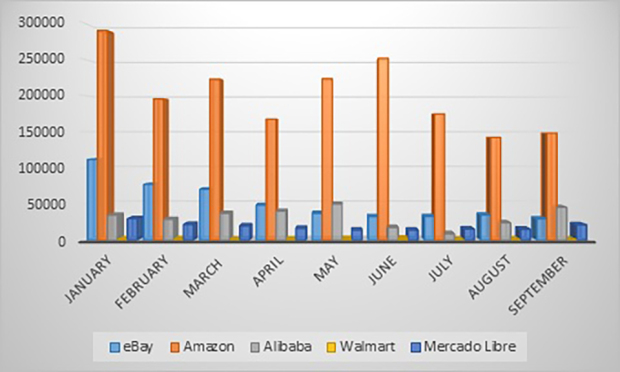
Amazon was found to be the most popular shopping platform.
Kaspersky security expert Tatyana Shcherbakova urged shoppers to protect data and finances by adopting the safe practice of ensuring the online payment page is secure.
“You’ll know it is if the web page’s URL begins with HTTPS instead of the usual HTTP and an icon of a lock will also typically appear beside the URL,” she said.
Kaspersky’s safety recommendations are:
Use a reliable security solution that identifies malicious attachments and blocks phishing sites on computer and mobile devices;
Do not open attachments or click on links in emails from banks, e-payment apps, or shopping portals, particularly if the sender insists on it. Ideally login from the official website directly;
Double-check the format of the URL or the spelling of the company name, as well as read reviews and check the domain’s registration data before filling out any information;
Be wary of any deals that seem too good to be true.
To learn more about Black Friday tricks and scams, visit securelist.com.
&uuid=(email))