

Saudi Arabia’s FDI stock has been revised down to SR775 billion ($207 billion) in 2022, which now sees the kingdom ranked 16th out of the G20 economies in 2022, as per the Ministry of Investment of Saudi Arabia (MISA).
This is a downward correction from around SR1 trillion ($269 billion), MISA said releasing the updated foreign direct investment (FDI) statistics consistent with the IMF Balance of Payments and International Investment Position Manual.
This accurately reflects, through the updated numbers, the actual status of FDI in the Saudi economy, and confirms the high level of transparency according to which the kingdom calculates its indicators.
FDI inflows
FDI inflows, under the new methodology, have been calculated at $122 billion, a doubling of inflows from 2015 and which sees Saudi Arabia now ranked 10th amongst G20 economies in 2022. These updated inflows numbers correct what was published under the previous methodology, which estimated inflows at about SR30 billion.
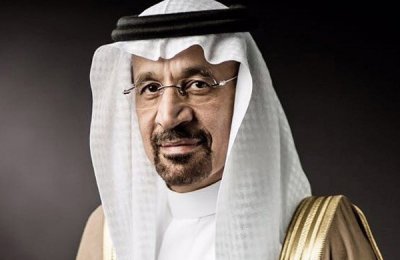
The Minister of Investment Khalid Al-Falih said the kingdom was committed to creating a best-in-class investment ecosystem in all aspects, including the development of a world class methodology for compiling FDI statistics.
“Investors are entering the fast-growing Saudi market with confidence due to its size and strategic position, which provides an excellent platform to access growth opportunities across the Middle East and beyond.”
Attract and retain investors
“The updated data, produced under the new methodology, along with our investor outreach programmes, will allow us to respond to and calibrate the investment environment to attract and retain even more investors.”
Access to high-quality data is essential for tracking investment performance, which accounted for approximately 25% of the kingdom's GDP in 2022 and is expected to reach 30% by 2030.
In addition to being more precise, the updated methodology will produce more detailed information for investors to base their decisions on, with more than 20 new FDI indicators including FDI stock and inflows by economic activity, source country, ultimate country, and Saudi administrative region, thus, helping to determine investment opportunities across the country’s priority non-oil sectors, and attract more investors.
The updated methodology and figures follow 18 months of work by the Ministry of Investment (MISA), the General Authority for Statistics (GASTAT) and the Central Bank of Saudi Arabia (SAMA) and is in line with the golden standard, which is the IMF’s Balance of Payments and International Investment Position Manual.--TradeArabia News Service
&uuid=(email))