

GCC banks with Turkish subsidiaries may report higher net monetary losses of nearly $2.8 billion in 2024 before falling to about $1.4bn in 2025 with the onset of disinflation, Fitch Ratings said in a new report.
“If disinflation is at least in line with our expectations and continues after 2025, GCC banks will probably stop using hyperinflation reporting from 2027,” the rating agency said.
The Turkish subsidiaries of GCC banks reported net monetary losses of $2.6bn in 2023 and $1.9bn in 2022, with inflation averaging 53 per cent over the year. This led to the average erosion of the banks’ operating profit/risk-weighted assets ratios by 50 basis points (bps).
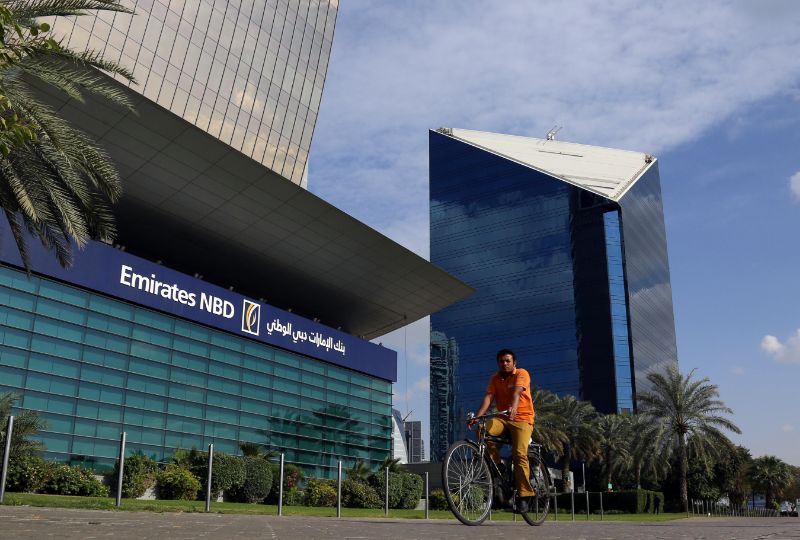
UAE’s Emirates NBD and Qatar National Bank were among the worst affected, with net monetary losses reducing their ratios by 60-70 bps.
According to Fitch, Turkish inflation will likely average 58pc in 2024 and 29pc in 2025.
GCC banks with Turkish subsidiaries adopted hyperinflation reporting in H1 2022 under the accounting standard IAS 29, as Ankara’s cumulative inflation exceeded 100pc over the past three years.
IAS 29 requires banks to restate non-monetary assets and liabilities to reflect the impact of hyperinflation, leading to net monetary losses in their income statements.
On average, currency translation losses from Turkish subsidiaries eroded 80 bps of GCC banks’ regulatory capital ratios in 2023 as the Turkish lira weakened by 36pc against the US dollar.
“We expect smaller currency translation losses and less capital erosion in 2024 and 2025 as we expect the lira to weaken less against the US dollar by 22pc in 2024 and 7pc in 2025,” the report said.
Although Fitch still views GCC banks’ exposure to Türkiye as “credit-negative” despite the recent Turkish bank upgrades, the rating agency said that “risks are easing”.
&uuid=(email))