

BAHRAIN is set to host a major conference that will shed light on critical public health challenges, including antimicrobial resistance and prevention and treatment of HIV and other sexually transmitted infections.
The Bahrain International Public Health Conference, organised by the Health Ministry, Supreme Council of Health and BDA Conferences and Exhibitions, will take place at the Gulf Hotel Bahrain on November 6 and 7.
SCH chairman Lieutenant General Dr Shaikh Mohammed bin Abdulla Al Khalifa is expected to attend the forum that will be held under the theme ‘Public Health in a Changing World: Resilience, Innovation, and Equity’.
Doctors, specialists, policymakers, and pharmaceutical companies from Bahrain, the GCC, and around the world will convene to address emerging issues, formulate transformative solutions, and establish strategic partnerships.
The event also aims to create a dynamic hub for networking, strategic partnerships and strengthened collaboration between public and private sectors, as well as local, regional and international partners.
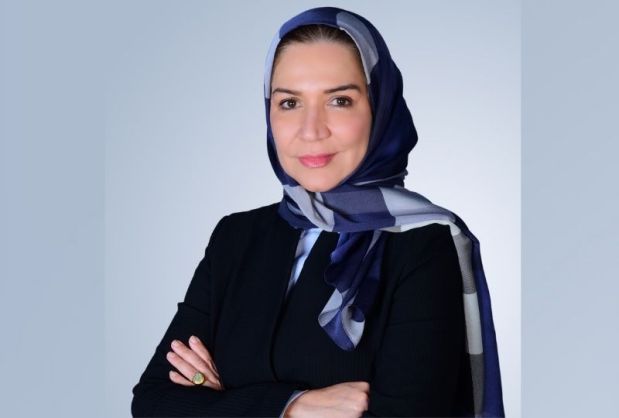
“This landmark event reflects our shared commitment to advancing public health for healthier and more resilient communities,” conference president and Health Ministry public health assistant under-secretary Dr Samia Bahram said in a statement.
“As we face growing challenges, from non-communicable diseases and mental health issues to pandemics and environmental pressures, coming together is more important than ever.
“This conference aims to foster the advancement of public health by learning from past experiences, innovating for the future and developing sustainable strategies.”
Scientific Committee chairman and Health Ministry public health adviser Dr Adel Alsayyad said the conference will feature indepth thematic sessions addressing today’s most critical public health challenges, interactive workshops and policy discussions shaping the future of health systems.
A range of topics will be explored including, disease prevention, communicable and non-communicable diseases, mental health, oral health care, how climate impacts well-being, antimicrobial resistance and breaking barriers in prevention, treatment and stigma reduction of HIV and other sexually transmitted infections.
“Our programme is structured around key focus areas including the preparedness, response and lessons learned from emerging infectious diseases, strengthening capacities for future challenges, addressing climate impact on well-being, among other topics,” he said.
The event also aims to translate findings into research and evidence-based policy solutions across public healthcare, including workforce training and ethical practice. Some of the sessions include Immunisation and Vaccine-Preventable Diseases; Environmental, Occupational Health and Food Safety; Innovation, Digital Health and Evidence-Based Practice in Public Health; Global Health Security and Emergency Preparedness and Empowering the Public Health Workforce: Education, Ethics and Leadership.
&uuid=(email))