

Mergers and acquisitions in the Middle East surged 260 per cent to $53 billion in the first nine months of 2025, rebounding from post-pandemic lows despite broader global market volatility, according to a report by Boston Consulting Group (BCG) released yesterday.
The jump in deal value marks a significant recovery for the region, which saw activity dip to its lowest levels since the Covid-19 pandemic earlier this year. The growth was spearheaded by energy consolidation and a series of high-profile “mega-deals” in the technology and industrial sectors.
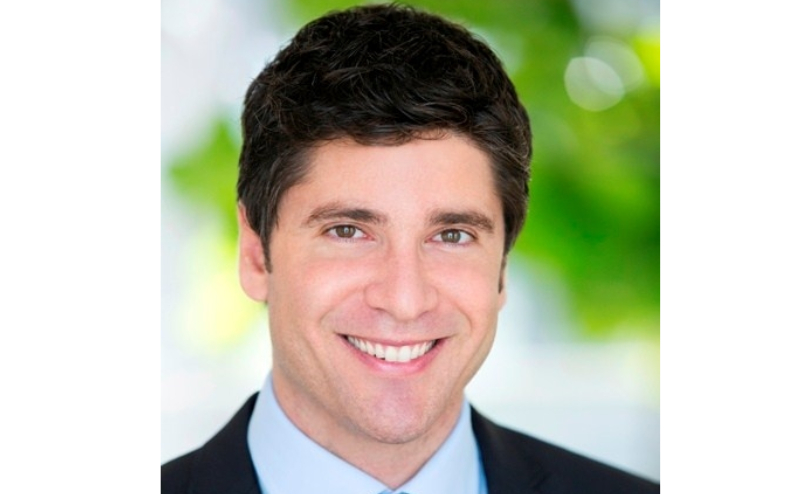
“The Middle East’s M&A landscape in 2025 reflects a sophisticated approach to capital deployment, where strategic diversification meets digital ambition,” said Samuele Bellani, managing director and partner at BCG.
Energy remains the primary driver of regional deal-making as state-backed entities consolidate domestic assets and expand internationally.
Key transactions included a $13.4 billion acquisition in the chemicals sector by a UAE-based entity and a $693 million deal in the power and utilities space. Analysts say these moves are designed to strengthen national champions ahead of the global energy transition.
Beyond hydrocarbons, sovereign wealth funds are targeting industrial infrastructure to hedge against oil price fluctuations. A $925m acquisition in supply chain infrastructure highlighted efforts to position the region as a global logistics hub.
The technology, media and telecommunications (TMT) sector saw unprecedented activity in 2025, including a $3.5bn acquisition in the digital entertainment and gaming sector and an $855m deal expanding Middle Eastern telecom influence into European markets.
BCG’s M&A Sentiment Index, which tracks forward-looking deal appetite, reached its highest levels in the technology and energy sectors, suggesting continued momentum into 2026.
While aggregate deal values across Africa, the Middle East, and Central Asia rose by a modest 6pc, the Middle East specifically outperformed as deep-pocketed sovereign wealth funds provided liquidity that shielded the region from global economic headwinds.
“The region’s sovereign wealth funds are not just engines of deal flow – they’re architects of a new economic paradigm,” Mr Bellani said, noting the balance between traditional energy strengths and new industrial infrastructure.
The report concludes that steady interest from foreign investors in healthcare, financial services, and TMT is expected to sustain the region’s diversification away from a historical reliance on crude oil revenues.
avinash@gdnmedia.bh
&uuid=(email))