

Bahrain’s social protection network is steadily expanding, with 138,909 citizens benefiting from financial assistance under the anti-inflation scheme as of the March 2026 payment cycle, the Social Development Ministry has confirmed.
The figures were revealed in a written reply to a parliamentary question by MP Ali Al Dossary, with the ministry outlining how beneficiaries are distributed across three income brackets under the programme.
The largest segment – 59,258 beneficiaries – falls within the BD301 to BD700 income range, receiving BD97 each per month.
A total of 44,780 beneficiaries earn BD300 or less and receive BD130 each, while 34,871 beneficiaries with incomes ranging between BD701 and BD1,000 receive BD75.
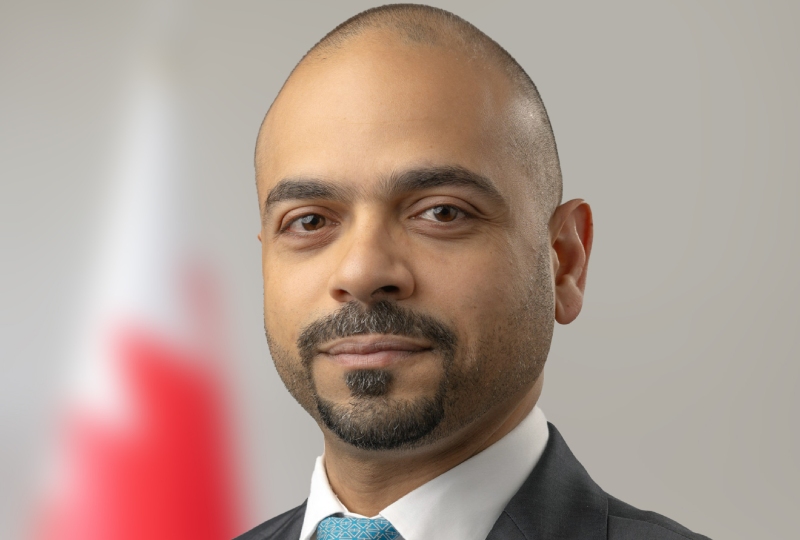
Social Development Minister Osama Al Alawi said the programme remains a cornerstone of Bahrain’s social protection system and is being continuously refined to ensure assistance reaches those most in need efficiently and transparently.
“The financial support programme for families with an income below BD1,000 is one of the main pillars of our social safety net,” Mr Al Alawi said.
“We are constantly updating databases and improving eligibility and disbursement mechanisms to enhance service quality and ensure support reaches eligible citizens quickly and fairly.”
The minister explained that eligibility is assessed exclusively on the basis of the head of household’s income, with the wife’s earnings excluded, in order to broaden support for the most vulnerable families. Applicants whose household income exceeds BD1,000 are not included in the programme and fall outside the statistical scope of the support scheme.
Mr Al Alawi added that the ministry has taken steps to simplify procedures and reduce the administrative burden on beneficiaries, including enabling direct disbursement of social assistance without the need for a separate application in certain cases.
“We are working to simplify procedures so that beneficiaries can access support without unnecessary delays or paperwork,” he said. “This includes faster processing and direct payment mechanisms that ease the burden on families.”
In early 2025, the ministry also established a dedicated committee for humanitarian and emergency cases to fast-track assistance for families requiring urgent intervention within the legal and regulatory framework.
“This committee ensures that exceptional and urgent cases receive the attention they require without delay, while maintaining governance and transparency,” the minister noted.
He stressed that the ministry would continue to work closely with the legislative authority to strengthen social support programmes and enhance Bahrain’s overall social protection framework.
“The co-operation with Parliament is vital in achieving our shared goal of supporting deserving groups and continuously developing the social protection system in the kingdom,” Mr Al Alawi said.
mohammed@gdnmedia.bh
&uuid=(email))