

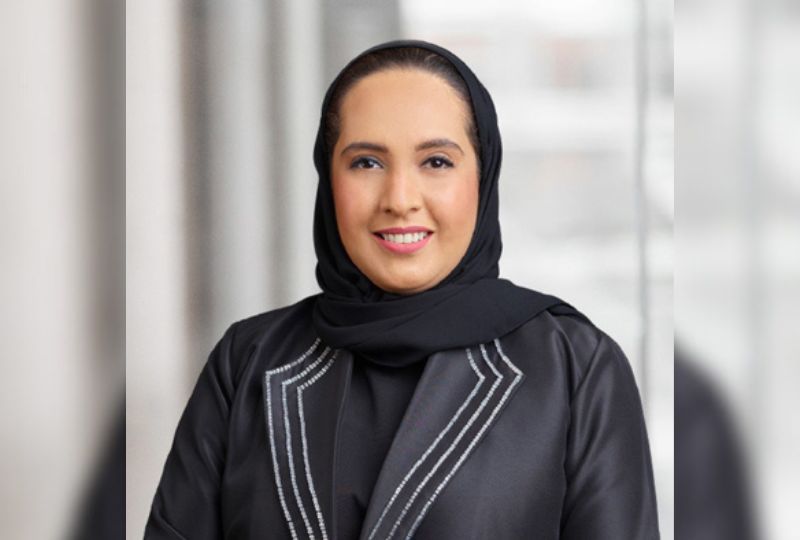
An expanding menu of housing options, faster processing and a long-term delivery plan for 50,000 homes were outlined by Housing and Urban Planning Minister Amna Al Romaihi while responding to MPs’ questions during Parliament’s session yesterday.
She said directives from His Royal Highness Prince Salman bin Hamad Al Khalifa, Crown Prince and Prime Minister, were being implemented across Bahrain, ensuring citizens can access multiple pathways to housing support without interruption.
“Different housing options are available to citizens and we are working continuously to provide them,” she said.
Among the choices are a housing unit with a BD3,000 non-repayable grant, a BD10,000 non-repayable grant paired with financing up to BD70,000 supported by government subsidies, and serviced residential plots with financial facilitation, depending on infrastructure readiness.
Ms Al Romaihi noted that some areas have already been serviced and handed over to beneficiaries who have built and moved in, while others are under construction or have had tenders awarded for infrastructure works. Distribution, she said, is ongoing.
She acknowledged recent operational constraints: “Since late February, certain safety procedures limited the number of visitors we could receive,” she explained. “With 50 per cent of government employees back at workplaces, we can now receive more citizens and resume procedures at a higher pace.”
The minister highlighted a ‘Category Five’ track developed with the Supreme Council for Women for divorced, widowed and judicially abandoned women with children, as well as orphaned single women. Temporary housing has been provided through dedicated units, including projects in Louzi and Hidd.
Eligibility has been eased, with the qualifying age reduced from 40 to 21 (up to 60) and the income ceiling raised from BD600 to BD800. Beneficiaries contribute 25pc of income toward temporary rent, capped at BD100.
Applications in this category reached 135, of which 77 have been approved, while the rest are under review by a joint committee. An online portal allows applicants to track requests transparently using their application number.
Responding to questions on pending applications in Muharraq, Ms Al Romaihi said most requests from 2004 and earlier had been largely addressed according to citizens’ preferences.
Some beneficiaries received financing up to BD100,000, or the BD70,000 facility plus a BD10,000 grant. Residential plots are being allocated in parallel with infrastructure works so families can prepare to build early, alongside continued review of humanitarian cases.
Addressing the timeline for delivering 50,000 homes, Ms Al Romaihi said royal directives from His Majesty King Hamad had been translated into ‘daily executive programmes’ co-ordinated across ministries.
“Last year, waiting lists were around 47 to 48 thousand applications. That requires us to move quickly so lists do not grow in a way that affects our core goals,” she added.
The plan combines the traditional delivery track with accelerated routes through private-sector partnerships. A record BD800 million was allocated to housing in the 2025-2026 budget cycle, alongside a directive to provide 7,000 diverse housing services.
New housing towns are under environmental and economic studies, monitored by ministerial committees and the Cabinet, under a ‘Team Bahrain’ umbrella. “We are committed to transparency in presenting our programmes, projects and numbers to Parliament,” she added. “We continue to review applications and meet citizens’ needs under clear plans aimed at accelerating delivery of housing services for all eligible groups.”
&uuid=(email))