

In 1849, Henry ‘Box’ Brown took an extraordinary risk to escape slavery in the United States. Enslaved in Virginia, Brown lived in Richmond, Virginia, under constant fear. Enslaved people were denied the right to choose where they lived or how they lived. They could be sold, punished or separated from their families at any time. For Brown, escape was no longer just a dream; it became a determined plan.
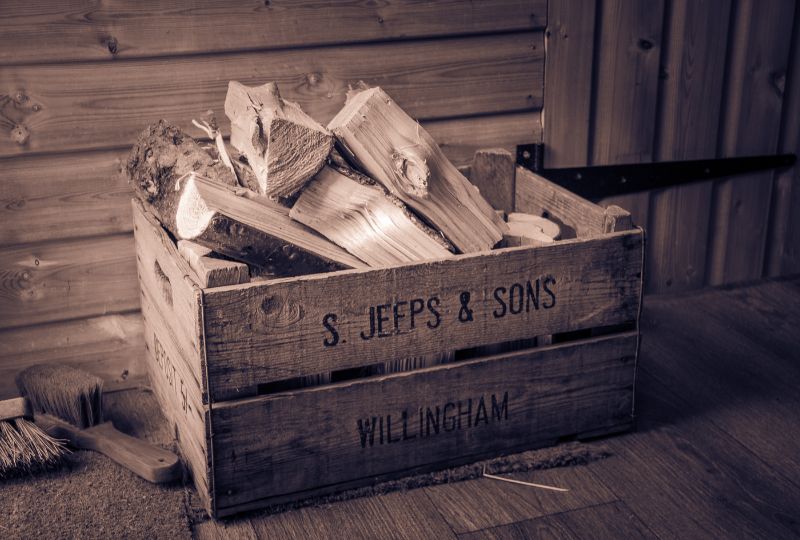
Believing that freedom required an unexpected approach, Brown decided to hide inside a wooden crate marked ‘dry goods’, a label typically used for ordinary merchandise, to avoid detection. On the outside, the crate appeared to be unremarkable. Inside, it carried human life. Measuring approximately 3x2.5x2 feet, the cramped box forced Henry to fold himself into an almost unbearable position – one he would have to endure for over a day.
Brown did not act alone. Two friends helped carry out the plan, fully aware of the immense risks involved. Anyone caught assisting an enslaved person in their escape could face brutal punishment. Despite this danger, they carefully prepared the crate and arranged for it to be shipped from Richmond to Philadelphia. Their goal was to transform a simple shipping system into a pathway to freedom.
The journey lasted approximately 26 hours. During this time, Brown remained confined in darkness, with only three small air holes to sustain him. These tiny openings, although minimal, were vital.
Every moment carried uncertainty; the crate could have been delayed, mishandled, or inspected. Any mistake might have led to his capture and severe consequences for all involved.
Throughout the ordeal, Brown held on to hope. He was unaware of what awaited him at the end of his journey. Instead, he relied on trust: in his friends, the plan, and the abolitionists waiting in Philadelphia. In such extreme conditions, hope can feel fragile, but for Brown, it remained his greatest strength.
When the crate finally arrived, the abolitionists opened it and freed him from confinement. This moment marked a turning point in his life. The air outside the box felt fresh. Freedom was no longer an abstract idea; it was real.
Brown later reflected on this experience, writing, “If you have never been deprived of your liberty, as I was, then you cannot realise the power of that hope and freedom, which was to me indeed, an anchor to the soul, both sure and steadfast.”
His words remind us that those who have always been free may not fully understand the true value of freedom.
This story reveals both the cruelty of slavery and the courage required to resist it. The act of placing a human being in a crate illustrates the inhumanity of a system that treats people as property. At the same time, Brown’s escape demonstrates a remarkable determination. He risked his life and placed his trust in others who shared their desire for freedom.
His journey was not alone. It depended on a network of individuals – friends and abolitionists – who chose to challenge an unjust system of slavery. Their bravery highlights the importance of collective action in the novel’s fight against oppression.
Today, Henry ‘Box’ Brown is remembered as a symbol of resilience and an enduring human spirit.
His story teaches us that freedom often comes at a great cost and that hope can survive even in the darkest circumstances. In 1849, a crate labelled ‘dry goods’ carried a message far more powerful than any label could contain: a human being seeking liberty.
When the crate was opened, that message became a life reclaimed.
Dr Aloma Jayasundera
&uuid=(email))