

.jpg?20260715')
Therapists across Bahrain have reported a rise in emotional desensitisation and growing anxiety over job stability, largely driven by prolonged exposure to distressing content on social media and the impact of the recent conflict in the Gulf.
Experts say the psychological impact extends beyond simply witnessing traumatic events online. Many are also struggling with increasing difficulty in distinguishing fact from misinformation, which has added another layer of uncertainty and emotional strain.
As a result, people are responding in different ways, with some feeling emotionally drained, while others – particularly men – are taking on a stronger sense of responsibility at home, often holding back their own emotions as they try to stay strong for their families.
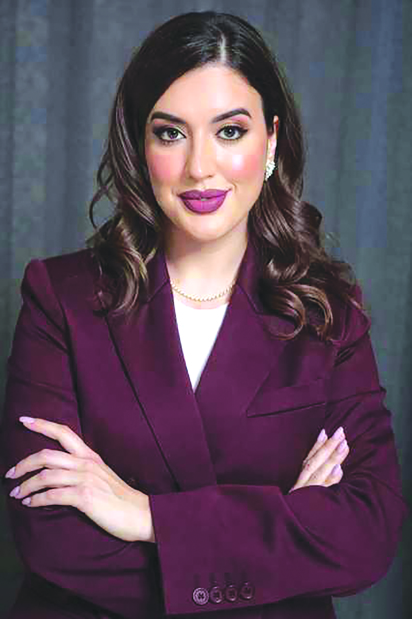
Dr AlAmmadi
“From what I have seen in clinical practice, many people in Bahrain have been deeply affected by the amount of distressing content they are exposed to through social media, becoming increasingly desensitised, particularly over the past year,” licensed psychologist Mariam AlAmmadi told the GDN.
“However, it is important to recognise that what can appear to be desensitisation is not always a lack of empathy or concern. Sometimes it is the mind’s way of protecting itself from a constant stream of upsetting information. Human beings are not designed to process tragedy and suffering on a 24-hour news cycle.”
She added that many families also feel a strong emotional connection to events unfolding in the region, making the impact more personal than simply consuming international news. “People may experience sadness, helplessness, anger, guilt or emotional fatigue from wanting to stay informed while also trying to protect their own wellbeing.”
Dr AlAmmadi noted that beyond the emotional weight of the content itself, people are also struggling to determine what information is accurate.
“With the rise of AI-generated images and videos, edited content and conflicting reports across platforms, many find themselves questioning the reliability of what they are seeing,” she said, adding that some spend significant amounts of time trying to verify information or switching between sources, leaving them emotionally exhausted.
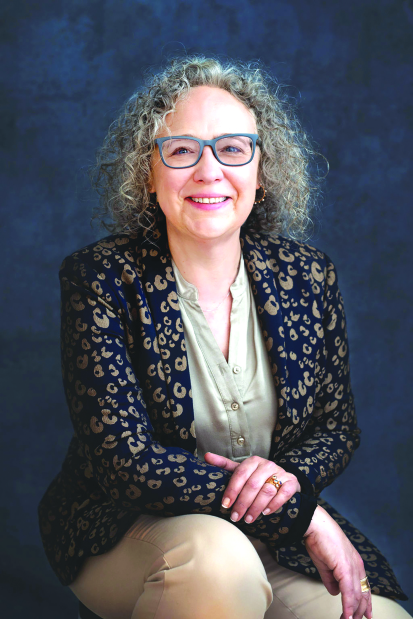
Dr Renard
Meanwhile, Dr Anne-Laure Renard, a licensed psychologist practising in the kingdom, said many men carry a heightened sense of responsibility during periods of uncertainty, often feeling they need to remain strong for their families and as a result, may not speak openly.
“This anxiety can surface in other ways, including irritability, anger, or abrupt behaviour, as emotions remain bottled up rather than processed in a healthy way,” she said, adding that many of her patients are also expressing concerns over job security and the difficult decisions they may need to make for their children.
“Many have built their lives here, so making these kinds of decisions is incredibly difficult, especially when the situation remains volatile and uncertain.”
Highlighting some ways to cope, Dr Renard pointed out that it is important to identify the emotion that is being triggered by the images and conflict in the country.
“When we know what we are dealing with, it is easier to decide what to do and how to address it,” Dr Renard explained, adding that people should also try to limit the time spent on social media or watching the news.
“People think that the more they watch, the more in control they are. However, the more information we are consuming, the more consumed we can become, as our brain cannot digest it all, leading to more stress and anxiety.”
Journaling is a good way to write out your emotions and keep track of your thoughts. “Sometimes, it is hard to talk to those around us, so writing about it can make it easier,” Dr Renard added.
Lastly, she said that exercising and keeping to a good routine is helpful. “During the height of the conflict, many of us lost our routine, which really helps us keep on track throughout the day. Exercising is also a great way to relieve the tension and anxiety we are feeling.”
julia@gdnmedia.bh
&uuid=(email))