

Iran and the United States exchanged intensifying fire yesterday in a week-long escalation that has largely unravelled last month’s truce, while Tehran disputed President Donald Trump’s claim that a US citizen had been released.
For the first time since a memorandum of understanding paused fighting last month, the US launched two big waves of air strikes in a single day on Wednesday, mostly on targets near Iran’s southern coast, and kept firing yesterday.
In a statement, US Central Command said US forces began “a new wave of strikes against Iran for the sixth consecutive night to further degrade Iranian military capabilities”.
After Tehran resumed its blockade of the Gulf through the Strait of Hormuz, Washington again blockaded Iranian ports from Wednesday.
The US military said it fired on a tanker near Iran’s Kharg Island, with Hellfire missiles hitting its smokestack.
Yesterday evening, US projectiles struck Qeshm Island and near Bandar Abbas – home to Iran’s largest port and key navy and Revolutionary Guards facilities – both on the Strait of Hormuz.
Several locations in Bandar Abbas were hit by projectiles, the semi-official Mehr news agency reported.
Iranian news outlets also reported US strikes late yesterday on three bridges and the train station in coastal Bandar Khamir and a US missile attack on Iranshahr Airport in southeastern Iran.
Even as the attacks escalated, Trump on Wednesday welcomed what he described as the release of a US citizen detained in Iran, identified by a human rights lawyer as Dena Karari, calling it a gesture of goodwill by Tehran.
Yesterday, however, Iran’s judiciary challenged that account, saying no American prisoner had been released or exchanged from Iranian prisons, according to state media.
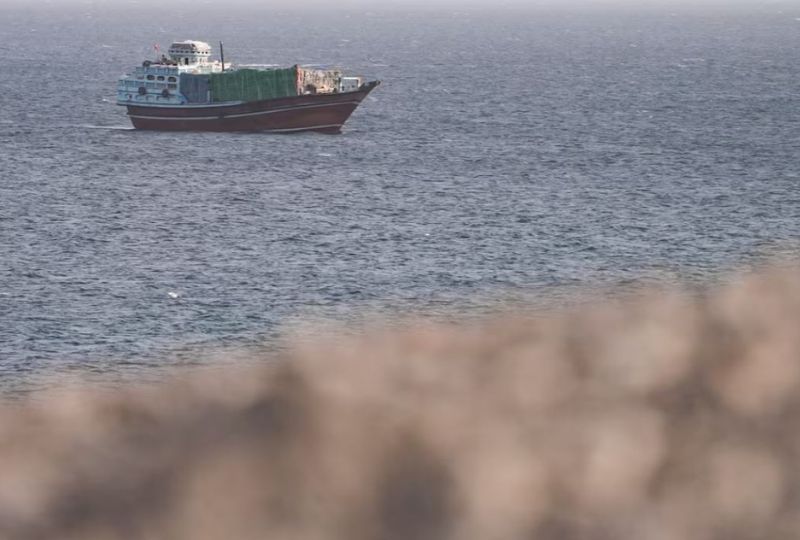
The re-escalation has once again largely halted traffic through Hormuz, the world’s most important shipping route for oil and gas, pushing up global energy prices.
Karoline Leavitt, White House Press secretary, told a briefing yesterday that Trump would not “sit by and allow these active acts of terrorism to take place in the strait without ensuring Iran pays consequences for that.”
But she added the president was “always open to diplomacy at the very same time.”
&uuid=(email))