

More buses and easier access to educational campuses are being urged by MPs amid complaints from students and parents about long journeys, lengthy waits and rising transportation costs.
Strategic Thinking Bloc member MP Dr Mariam Al Dhaen is calling for an increase in public buses serving the University of Bahrain and Bahrain Polytechnic, as well as a review of the monthly transport fees paid by teenagers.
She said repeated complaints from parents highlighted difficulties in reaching Bahrain Public Transport Company bus stops, with some students having to travel considerable distances from their homes to reach collection points. “The journey to a student’s classroom should not become a difficult journey before the day of education has even begun,” she added.
Dr Al Dhaen said the problem was particularly evident at Campus B at Bahrain Polytechnic in Isa Town. Students are taken to the main Isa Town bus station before transferring to another bus which drops them some distance away in the educational area, near a new shopping complex.
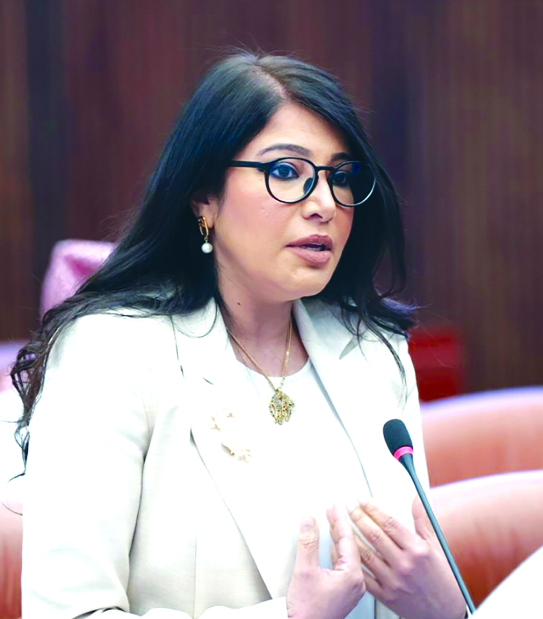
Dr Al Dhaen
They must then walk a ‘considerable distance’ to reach some sections of the Polytechnic campus, such as busy Campus B, a journey she said was especially difficult during Bahrain’s summer heat and winter rains.
The polytechnic has a bus stop close to its Campus A entrance and has attempted to address travel concerns from students living further afield by opening a satellite Muharraq Campus.
Bahrain University’s Sakhir campus has had dedicated bus stops inside the campus since 2022, following an agreement between the university, the Transportation and Telecommunications Ministry and Bahrain Public Transport Company.
“Providing accessible and safe transport for students should go hand-in-hand with the support provided by the state for higher education,” said determined Dr Al Dhaen.
The MP also highlighted the financial burden on families. Parents, particularly those from limited-income households, have raised concerns about the BD12 monthly public transport fee, with calls for it to be reduced.
Private student transport costs around BD60 a month on average, she said, placing a significantly heavier burden on families – particularly those with more than one child in higher education.
Dr Al Dhaen said government universities provide subsidised education as part of efforts to encourage Bahraini students to pursue higher education. “The cost of reaching university should not become an obstacle to benefiting from these educational opportunities,” she added.
She called for more buses and journeys, stops closer to campuses and consideration of reduced transport fees for students from families with limited incomes.
Even students travelling by cars to the polytechnic campus are facing massive queues during peak periods.
Meanwhile, area councillor Hamad Al Zoubi has called for the reopening of the eastern gate at the University of Bahrain’s Sakhir campus to ease congestion.
The gate is used during Formula 1 events, but Mr Al Zoubi said it could also help students if opened for regular university access. Students can also face queues of up to 40 minutes at the other gates when entering or leaving the campus, he said.
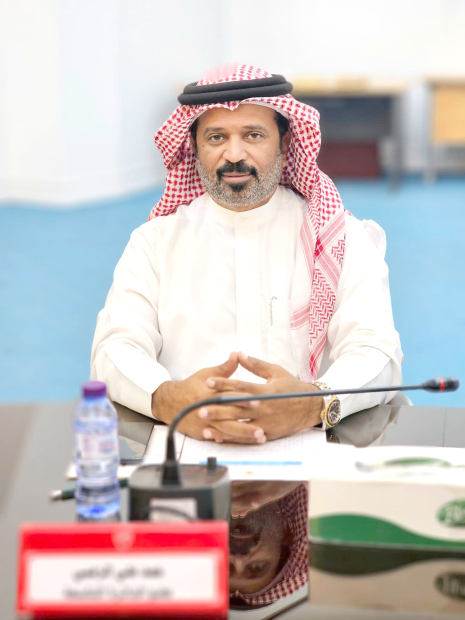
Mr Al Zoubi
“The eastern gate is already used during Formula 1 races, so opening it for students would provide another access point and help ease the pressure on the existing gates.”
There are around 30,000 studying at Bahrain University – the country’s biggest university. The calls come as attention turns to the practical challenges faced by students beyond the classroom – from the cost of getting to university to the time spent simply reaching the campus entrances.
Dr Al Dhaen and Mr Al Zoubi believe improving transport and accessibility is ultimately about ensuring students can reach their lectures safely, affordably and on time.
mohammed@gdnmedia.bh
&uuid=(email))