


A bill requiring government entities to take steps to make Bahraini employees on temporary and part-time contracts permanent after one year was unanimously approved by MPs yesterday.
First deputy speaker MP Jalila Al Sayed said Bahrainis should be offered permanent employment while expatriates could be considered for short-term contracts where appropriate.
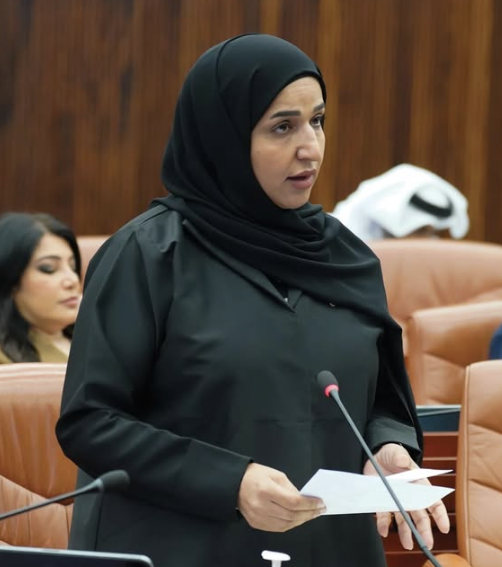
Ms Al Sayed
The debate exposed deep divisions over whether regularising existing employees would genuinely add to public spending or simply formalise jobs and salaries already funded by the government.
Newly elected Parliament’s financial and economic affairs committee chairman MP Ahmed Al Salloom rejected the government’s financial argument, saying the salaries of temporary employees were already covered by the state budget.
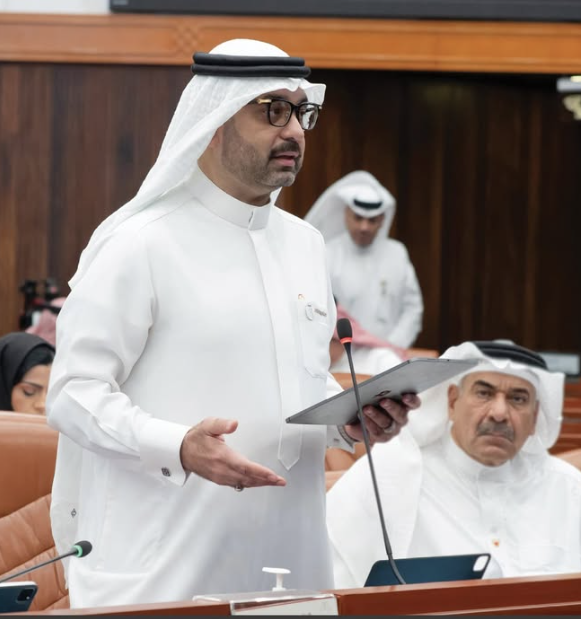
Mr Al Salloom
“Converting them into permanent employees does not necessarily require new financial allocations,” he said, explaining that funds could instead be transferred from temporary employment or training budgets to the budget category for permanent posts.
He also welcomed amendments removing the requirement for employees to pass an additional assessment before being made permanent after a year.
“It is unfair to require an employee who has worked diligently for a full year to undergo another assessment as a condition of securing permanent employment,” he said.
He called for accurate figures on the number of Bahraini temporary employees across government entities and their annual costs, arguing that workers who had performed the same duties for years were proof of an ongoing need for those jobs.
However, Parliament and Shura Council Affairs Minister Ghanim Al Buainain warned that making employees permanent during the two-year budget cycle could create commitments that had not been accounted for when the budget was prepared.
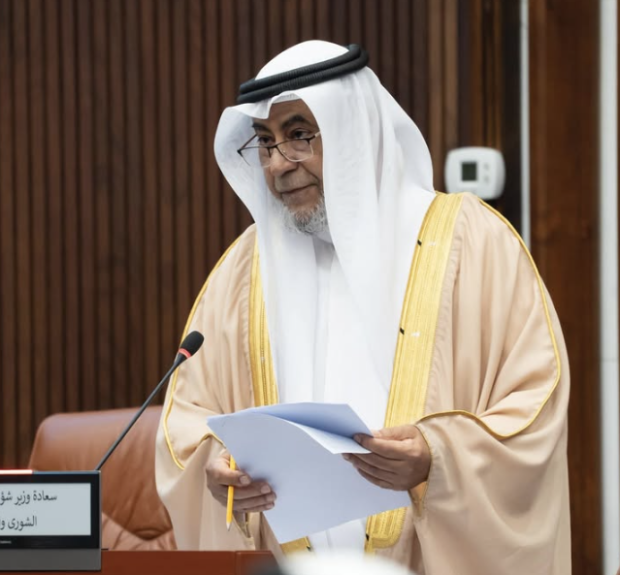
Mr Al Buainain
“When we make people permanent during the budget cycle, it disrupts the budget,” he told MPs, adding that the financial implications extended beyond monthly salaries.
He also questioned whether part-time workers already holding permanent positions elsewhere, including university lecturers working outside their regular hours, could be given a second permanent job.
Mr Al Buainain also cited temporary staff recruited to cover for government employees studying abroad, who could return to their original positions after one, two or three years.
MP Zainab Abdulamir rejected attempts to link the proposal to the budget deficit and public debt, arguing that the employees were already working and receiving salaries.
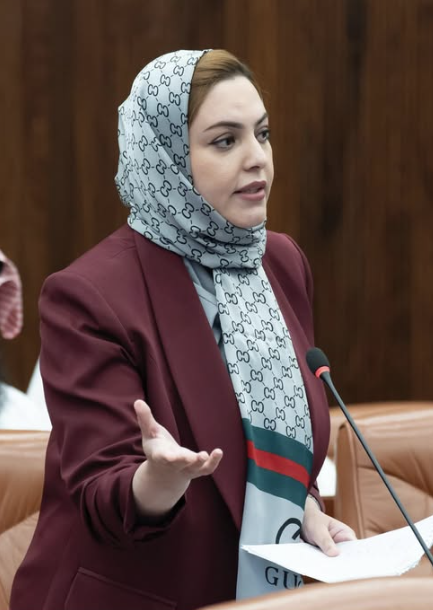
Ms Abdulamir
“If the job already exists, the work is continuing and the salary is already being paid, why is making a Bahraini employee permanent being portrayed as a new financial burden threatening the state budget?” she asked.
Parliament second deputy speaker MP Ahmed Qarata questioned the government’s stance on fiscal balancing when expats employed by the government cost around BD180 million annually.
The debate was reinforced by legislative and legal affairs committee vice-chairman MP Jalal Kadhem Al Mahfoodh, who said some Bahrainis had spent more than a decade in temporary and outsourced jobs without annual increments or permanent status.
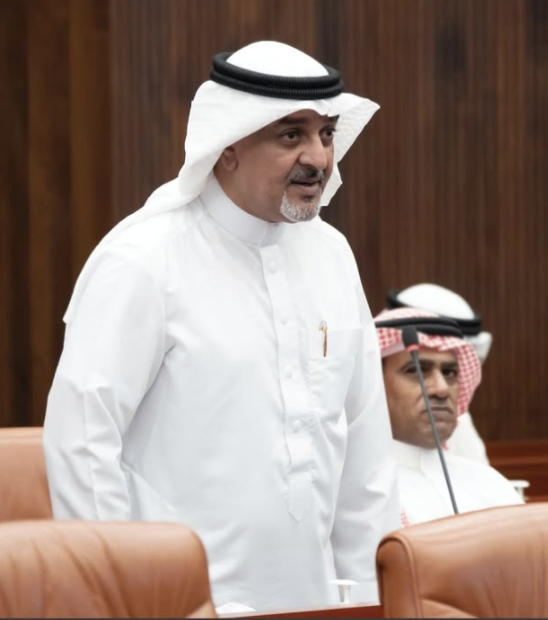
Mr Al Mahfoodh
He warned that outsourcing could leave the state paying substantial sums to private companies while workers received much less.
He cited examples of government bodies paying around BD650 to a company for a worker with a secondary-school qualification who received BD350, while payments for university graduates could range from BD800 to BD1,200.
He said direct government employment could offer workers better pay while reducing what he described as wasteful spending.
Mr Al Mahfoodh also disclosed that he had proposed legislation requiring private-sector employers to provide annual salary increases of 2.5 per cent and regularise Bahraini employees’ contracts.
Services committee chairman MP Dr MP Mohammed Al Olaiwi, meanwhile, called for faster recruitment of Bahrainis and closer alignment between education and training programmes and labour-market requirements, stressing the need for sustainable solutions to unemployment.
Under the bill approved yesterday, government bodies would have one year from publication in the Official Gazette to regularise eligible existing Bahraini temporary and part-time employees, replacing the original six-month deadline.
The legislation amends Article Seven (Two) of the Civil Service Law of 2010 and now awaits Shura Council review.
