

Bahraini families could get a ‘better deal’ on electricity bills under an urgent parliamentary proposal to scrap the daily calculation of subsidised consumption and replace it with a full monthly allowance.
MPs argue that the current system can leave households paying higher tariffs even when their total consumption over the month remains within the government-subsidised limits, because the allowance is effectively divided across the billing period.
The proposal, led by Mohammed Al Rifai and backed by four other MPs, was referred to the Cabinet for review yesterday following its unanimous approval.
Mr Al Rifai said the mechanism needed to be reconsidered to ensure eligible citizens received the ‘full benefit’ of the subsidy intended for their primary residence.
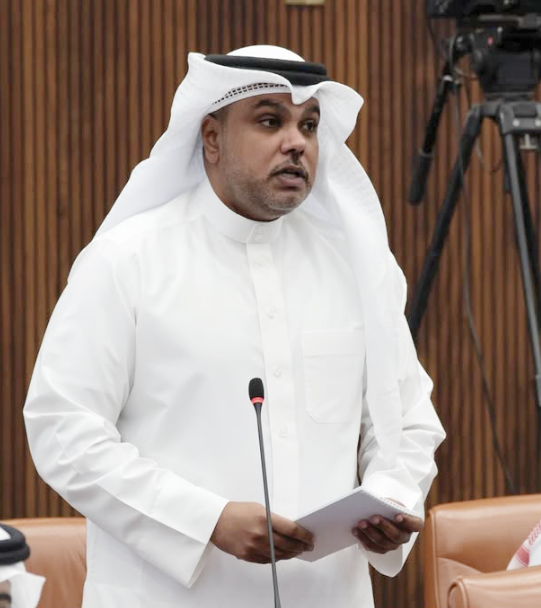
Mr Al Rifai
“The subsidy should be calculated according to the household’s total monthly consumption, rather than dividing the allowance into daily portions that may not reflect how families actually use electricity,” he suggested.
Under the structure outlined in the proposal, the first 3,000 units are charged at three fils per unit, while consumption in the subsequent brackets is subject to higher rates, with consumption exceeding 7,000 units charged at 32 fils per unit.
The MPs say the subsidised monthly allowance should be assessed as a whole rather than through daily allocations that may affect how much consumption falls within each tariff bracket.
They also argue that a monthly calculation would make bills easier to understand, helping subscribers check their consumption and verify the amounts charged.
The proposal does not seek to abolish progressive tariffs or remove incentives to conserve electricity.
MPs said the government would be asked to review the billing mechanism and assess whether the full monthly consumption brackets could be applied directly, while retaining the existing progressive tariff structure.
The MPs argue that household electricity use is ‘not uniform’ every day. Air-conditioning, cooking, laundry and other domestic needs can cause consumption to fluctuate, while the subsidised meter continues to allocate consumption daily regardless of whether residents are at home or away.
They believe this can undermine the intended benefit of the monthly subsidy, particularly when consumption is concentrated on certain days.
Mr Rifai said electricity bills were among the regular financial commitments facing Bahraini families, making it important to ensure that government support was applied fairly and transparently.
“The objective is to ease the burden on citizens and ensure that the subsidy reaches eligible households in the way it was intended,” he said.
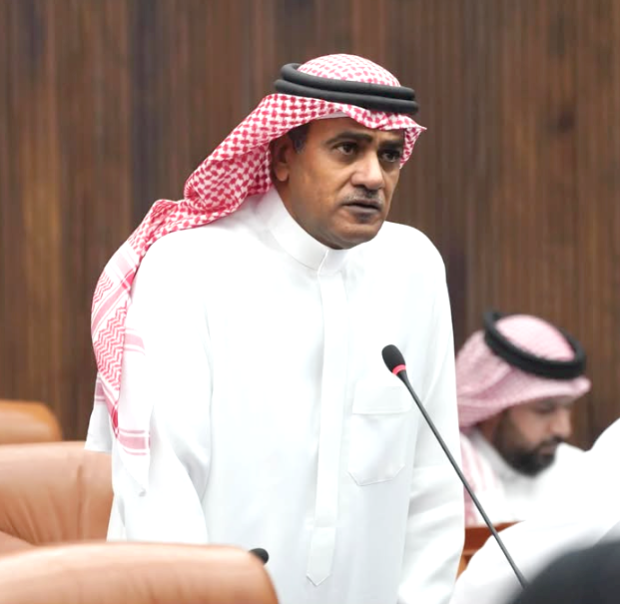
Dr Al Sheno
The proposal was also backed by Parliament’s Legislative and Legal Affairs Committee chairman Dr Abdulhakim Al Sheno, who highlighted the need to examine how the billing system applies subsidised consumption brackets.
Dr Al Sheno said the government should assess whether the existing mechanism achieves the intended fairness and allows subscribers to benefit fully from their monthly allowance.
“A review should ensure that the calculation reflects actual monthly consumption and that citizens can clearly understand how their electricity bills are worked out,” he said.
The proposal refers to the electricity and water consumption tariff decision issued by the Electricity and Water Affairs Minister Yasser Humaidan in 2026, which sets different rates according to consumption levels for eligible Bahraini citizens’ primary residences. Instead, it calls for a review of how the existing allowances are applied, with the aim of preserving consumption discipline while ‘improving fairness’
Another Parliament story – Page 11
