

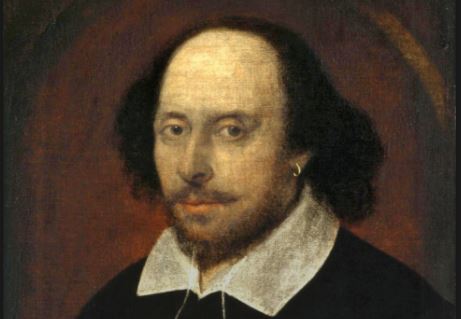
SHAKESPEARE boffins and literacy buffs in Bahrain will be interested in new developments concerning the Bard. Plagiarism is the greatest of writerly sins. It was, at least by today’s standards, said to be present in the work of the greatest of all writers in English.
A new book by Dennis McCarthy and June Schlueter, an independent researcher and a literary academic, claims to have uncovered a previously unknown source for the works of William Shakespeare. The authors believe Shakespeare was inspired by an unpublished manuscript titled A Brief Discourse of Rebellion and Rebels, written in the late 1500s by George North, a minor courtier. They base their case on the use of plagiarism-checking software.
It is well known that Shakespeare took plots and language from books including Holinshed’s Chronicles and Plutarch’s Lives. Yet in a field so extensively researched, it is a big claim to have found a new source that informed no fewer than 11 Shakespeare plays. Critics will query the chronology implied by the thesis: Why was a source that supposedly influenced Richard III still prominent in the writing of King Lear more than a decade later?
Lovers of literature should be assured of one thing, however: Shakespeare’s creative genius is untarnished by any charge of plagiarism. First, the software that detects cut-and-paste jobs by students has already enhanced our knowledge of Elizabethan literature, as it suggests that the anonymous Edward III (1592) was in part an early work of Shakespeare’s. Second, attitudes to copying have changed radically in 400 years.
Ben Jonson said a writer should “be able to convert the substance or riches of another poet to his own use”. Shakespeare did this incomparably well. His great description of Cleopatra (“The barge she sat in, like a burnished throne, / Burnt on the water”) is an unattributed paraphrase from Thomas North’s translation of Plutarch. Shakespeare turned ordinary prose into peerless blank verse. If that’s “plagiarism”, give us more of it.
T L
&uuid=(email))