

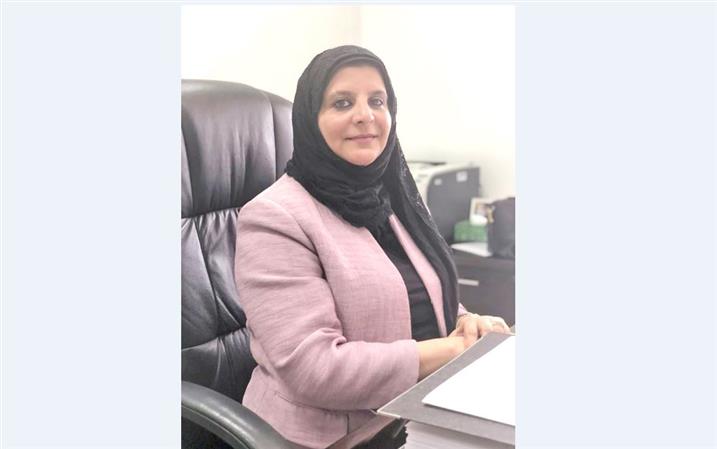
A STEADY fall in deaths among children aged below five has contributed significantly to Bahrain’s progress in achieving the sustainable development goals (SDGs).
This was highlighted by the Health Ministry’s Public Health director Dr Najat Abul-Fath at a virtual meeting of the World Health Organisation’s (WHO) Eastern Mediterranean Regional Office (EMRO) to launch the regional report on health-related SDGs.
The SDGs are 17 goals with 169 targets that all UN member-states have agreed to work towards achieving by 2030 as part of a vision for a world free from poverty, hunger and disease.
Health has a central place in SDG 3, “Ensure healthy lives and promote well-being for all at all ages”, underpinned by 13 targets that cover a wide spectrum of WHO’s work.
Almost all the other 16 goals are related to health or achieving which will contribute to health indirectly.
The SDGs aim to be relevant to all countries to promote prosperity while protecting the environment and tackling climate change. They have a strong focus on improving equity to meet the needs of women, children and disadvantaged populations in particular so that “no one is left behind”.
“Bahrain’s efforts and efficient steps adopted to achieve the SDGs have led to an improvement in many of the country’s health indicators, which have been set as priorities,” Dr Abul-Fath told the forum, providing Bahrain SDGs’ progress report.
“High-quality healthcare is provided in accordance with international standards for all children without discrimination, and in this area we have been able to reduce the mortality rate of children under five years of age.
“Additionally, we have been able to pay absolute attention to maternal and reproductive healthcare ensuring the health of the foetus until its birth.”
The expert said statistics indicate that Bahrain was among the advanced nations in reducing the maternal mortality rate during childbirth.
Child mortality rate, along with the fatality rate among children aged below five, has recorded a downward trend in the country since 2009, according to all leading global analyses.
According to UN Inter-Agency Group for Child Mortality, Bahrain recorded 8.9 deaths in this category per 1,000 live births in 2009, dropping to 6.9 in 2019.
In a latest assessment by Macrotrends, a US-based research platform, the infant mortality rate in Bahrain this year is 5.4 deaths per 1,000 live births, which is a three per cent decline from last year’s 5.629. This again is a 2.93pc decline from 2019 (5.799 deaths).
Dedicated
Dr Abul-Fath said the National Information Committee on SDGs, set up in March 2015, has been dedicated to monitoring and evaluating progress in achieving the SDGs.
She said that yet another major project considered as a goal achieved under the SDGS is the National Health Plan for 2016-2025, represented by the National Health Insurance Project (Sehati).
“Bahrain’s health sector has witnessed great development, encompassing comprehensive and integrated healthcare, as well as preventive and curative care.”
Dr Abul-Fath also highlighted the low prevalence of HIV infection, tuberculosis, malaria, and hepatitis C in Bahrain.
“This is due to increased community awareness regarding prevention and early detection of cases, especially through pre-work medical examination, as well as access to diagnosis and treatment of patients, which in turn reduced the risk of transmission.”
She also highlighted Bahrain’s efforts in tackling premature deaths from non-communicable diseases (NCDs) through prevention, treatment and mental health promotion.
She pointed out that the NCDs – cardiovascular diseases, cancer, diabetes and chronic respiratory diseases – were global challenges and not limited to Bahrain.
The forum was opened by EMRO director Dr Ahmed Al Mandhari who renewed a call to accelerate efforts to achieve the SDGs.
raji@gdn.com.bh
&uuid=(email))