

Government spending on electricity has been thrust into the spotlight after figures submitted to Parliament revealed the true scale of what Bahrain pays every year to keep the lights on – and how much of that cost is absorbed by the state through subsidies.
In a written response to MPs, the Electricity and Water Authority (EWA) disclosed that the total annual cost of producing, generating, transmitting and distributing electricity reached BD550.8 million, reflecting the real burden on public finances before consumer tariffs are applied.
The details were submitted by Electricity and Water Affairs Minister Yasser Humaidan, who is politically responsible for EWA, in response to a parliamentary question seeking full transparency on electricity costs, subsidies, arrears and disconnection procedures.
“The unit cost of electricity is calculated annually after taking into account production, transmission and distribution expenses. This clearly shows the scale of government support provided to consumers, particularly Bahraini households,” Mr Humaidan said.
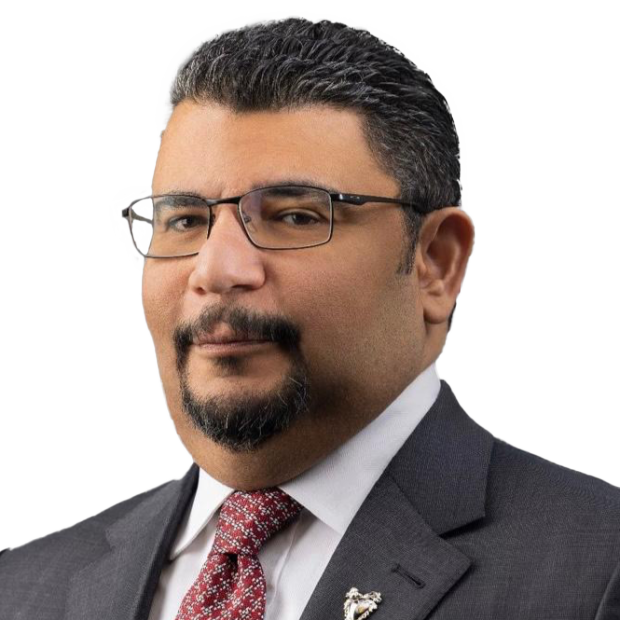
Mr Humaidan
The figures submitted to Parliament show that the actual cost of producing one kilowatt-hour of electricity stands at 33.1 fils, while consumers pay significantly less depending on their category.
For Bahraini residential consumers under the first subsidised account, the selling price is just 3 fils per kWh, meaning the government covers 30.1 fils for every unit consumed.
For Bahraini residential consumers under the second account, the tariff rises to 16 fils per kWh, with the government still subsidising 17.1 fils per unit.
For non-Bahraini residential subscribers, the selling price is 29 fils per kWh, leaving a subsidy of 4.1 fils per unit.
The same applies to the commercial sector, where businesses pay 29 fils per kWh, also benefiting from a 4.1 fils subsidy.
In the industrial sector, the tariff is 25 fils per kWh, with the government covering 8.1 fils per unit.
The data highlights how Bahraini households, particularly those in the first subsidised tier, pay less than one-tenth of the real cost of electricity, with the state absorbing the majority of the expense.
The minister also revealed that outstanding electricity and water bills for active accounts currently stand at around BD84 million. He clarified that this cannot be directly compared to annual bill issuance, as many overdue amounts relate to previous billing periods.
Addressing concerns over electricity disconnections, Mr Humaidan stressed that EWA follows a strict staged process before cutting supply for non-payment. Subscribers receive multiple notices and are given a 53-day period from the bill date before reaching the final disconnection stage.
“This procedure ensures subscribers are given sufficient opportunity to settle their financial obligations before any final measure is taken,” he said.
“From November 2025 to February 2026, 15,554 accounts had electricity forcefully cut on them – with zero involving Bahrainis in their first residence.”
The reply highlighted several mechanisms designed to prevent hardship for Bahraini families, including installment plans and the Fixed Payment Service, which allows subscribers to pay a consistent monthly amount throughout the year to offset seasonal consumption spikes, particularly during summer.
“This initiative helps families set a clear annual budget and manage their expenses in a stable manner,” the minister noted.
With MPs raising concerns about higher summer bills and the impact of tariff reforms, Mr Humaidan pointed to awareness campaigns, energy conservation programmes and solar panel projects aimed at reducing consumption and long-term demand on the grid.
“These measures contribute to alleviating pressure on both the electricity network and consumer bills,” he said.
The disclosure is expected to fuel further parliamentary debate on the sustainability of electricity subsidies, arrears management and how to shield low-income households as demand – and costs – continue to rise.
The minister, who is set to appear in an upcoming Parliament session, was responding to a question on the electricity sector by MP Hassan Ibrahim.
mohammed@gdnmedia.bh
&uuid=(email))