

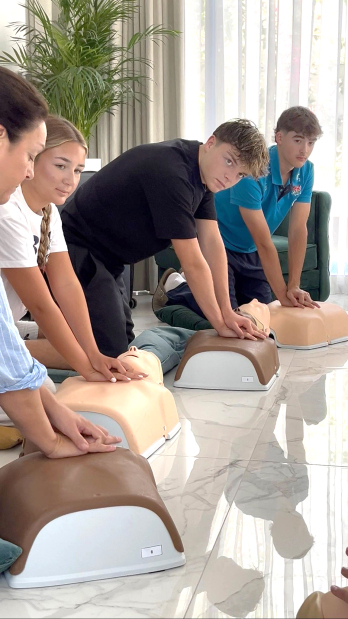
A community-focused initiative has been launched to equip individuals and families with essential skills to respond effectively during emergencies and help save lives.
The programme – First Aid at Home – was introduced by Royal Life Saving Bahrain (RSLB) amid the US-Israel and Iran conflict.
Even though a ceasefire has been announced, the uncertainty of the war, which ran for more than a month, has highlighted the importance of learning first aid – the immediate, temporary care given to an ill or injured person before professional medical assistance arrives.
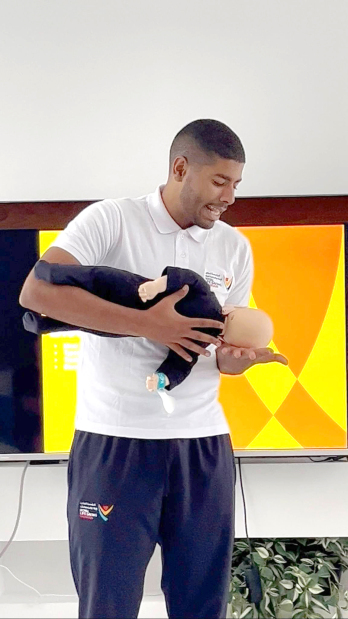
A demonstration during a recent workshop staged by RLSB
RLSB will deliver two-hour sessions in small group settings, in the comfort of your home, making life-saving education more accessible. They offer a practical guide to real-life situations that can occur in the home or local environment. They are designed for adults but younger individuals can also attend and learn. Both, English and Arabic workshops are available.
RLSB is the kingdom’s first water safety and drowning prevention organisation launched in 2016. It has since been saving lives along the island’s coastline, in addition to educating the public on safety measures.
“At RLSB, our mission has always been to prevent drowning and reduce the impact of accidents through education and training,” RLSB general manager Sam Rahman told the GDN.
“In the current situation, we recognise that communities may feel uncertain, and emergency services are under increased pressure.
“This initiative is about empowering people – not alarming them. When individuals have the knowledge and confidence to act, they can make a real difference to the safety of their families, friends and neighbours,” he added.
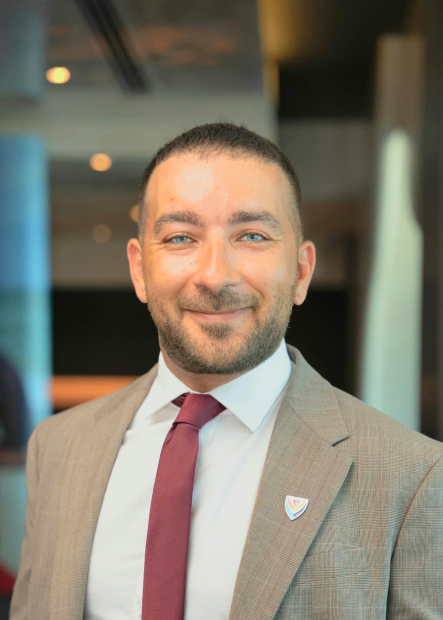
RLSB general manager Sam Rahman
The first few minutes after an incident are critical, Mr Rahman noted, emphasising that those closest to the emergency often make the crucial difference.
“Learning first aid gives people the confidence to step forward and help rather than feeling helpless in a crisis,” he noted.
“Anyone can learn a few basic skills such as: calling emergency services immediately, checking if the person is breathing, performing cardiopulmonary resuscitation (CPR) if needed, using automated external defibrillator (AED), helping someone who is choking and treating minor wounds or burns.
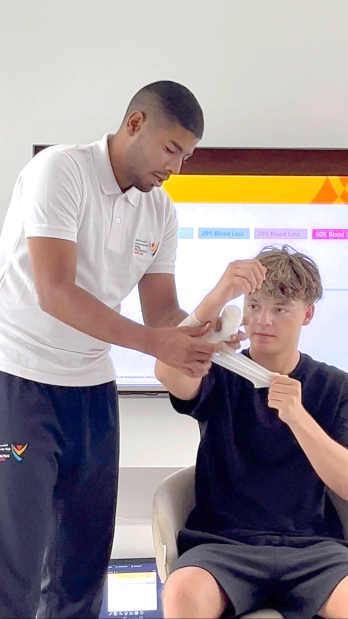
Hands-on education for accidents
“As we often say in the lifesaving community: the person who saves a life is usually the person who is prepared.”
RLSB emphasised that the workshops are not intended to raise alarm, but to build confidence and resilience within communities.
Accidents and medical emergencies can happen at any time whether it is a minor injury, a burn in the kitchen, a choking incident, or a more serious situation requiring CPR. Having basic first-aid knowledge helps people respond calmly and effectively while waiting for professional support, if needed.
In addition to the workshops, RSLB supplies professionally designed first aid kits tailored for different environments, including homes and workplaces.
During the recent attacks, the Interior Ministry’s National Civil Protection Platform released several public interest messages, including calling residents to build an emergency kit, with seven to 14 days’ worth of supplies like water, personal hygiene products, medicines and cash, among others.
An emergency kit is a curated collection of essential supplies, tools, and medication stored together to help individuals and families survive for at least 72 hours during a disaster or crisis.
“Empowering people with lifesaving skills, alongside improving access to equipment like AEDs, plays a vital role in building stronger, safer communities,” Mr Rahman added.
“It’s about ensuring that help is always close by – often starting with the people around us.”
Communities, residential compounds and family groups interested in the workshops can follow @rlsbahrain on Instagram for further information and bookings.
melissa@gdnmedia.bh
The workshops feature
• Primary survey and assessing a casualty
• CPR and AED awareness
• Choking response
• Managing bleeding and minor injuries
• Treating burns and scalds and head injuries
&uuid=(email))