

A proposal to instal portable electric mosquito traps in public spaces has been referred to the Cabinet, after the Southern Municipal Council insisted on real-world trials despite the Health Ministry dismissing the plan as lacking evidence.
Councillors had earlier unanimously backed a plan to deploy ultraviolet bug zappers in parks, public squares and residential neighbourhoods, including mounting them on patrol vehicles to widen coverage after rainfall, when mosquito breeding surges.
However, Health Ministry Under-Secretary Dr Lulwa Shuwaiter urged caution, saying there is no scientific evidence supporting the devices as an effective primary method of mosquito control in open areas.
“Our mosquito control programmes are built on scientific principles, proven experiments and measurable results,” she said.
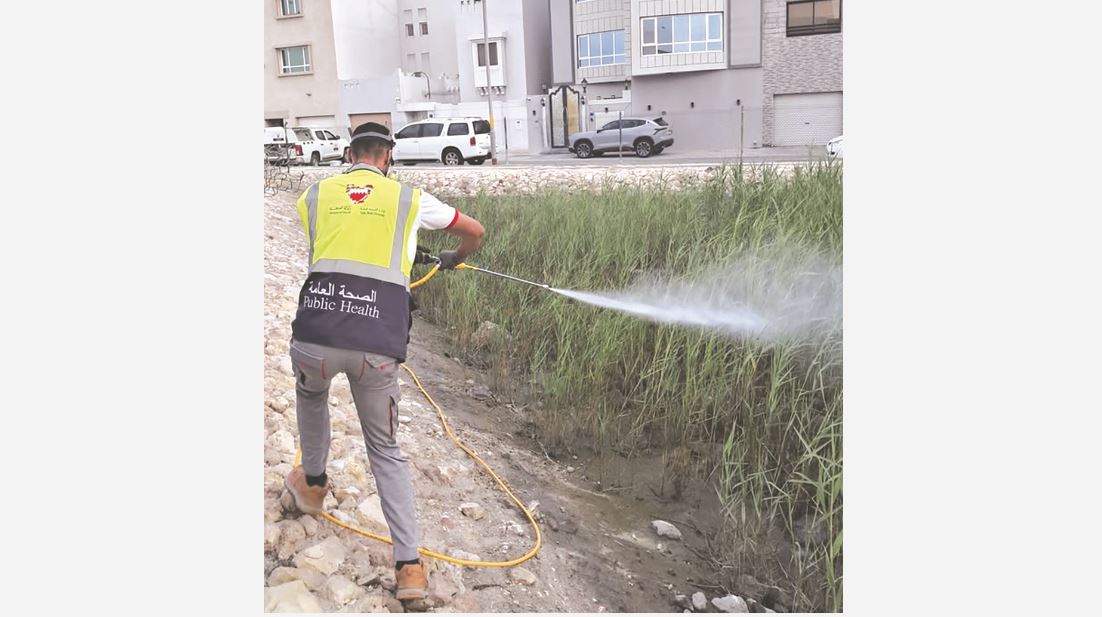
“Larvicides, thermal fogging and ultra-low-volume spraying remain the cornerstone of national mosquito control because they directly target breeding sources and adult populations with verified outcomes.”
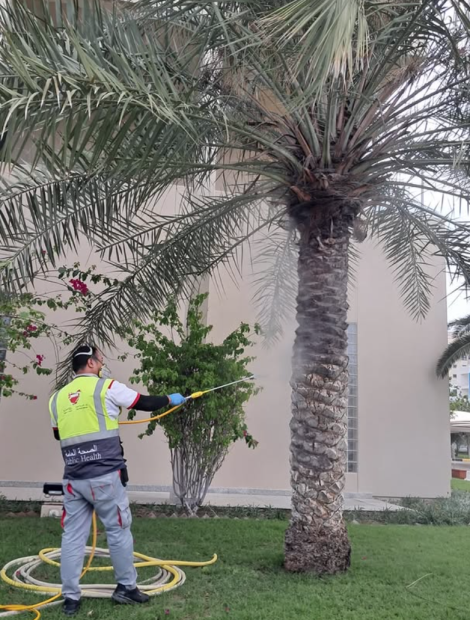
Dr Shuwaiter stressed that while the devices may appear attractive, relying on them could divert attention from methods that are already delivering results across the country.
“We must ensure that any additional tools are supported by evidence and integrated into the broader strategy without compromising effectiveness,” she added.
Dr Shuwaiter maintained that mosquito control must remain evidence-based.
“The ministry is fully prepared to continue providing high-quality mosquito control services using methods that are scientifically validated,” she said. “Public health decisions must be guided by effectiveness, not appearance.”

Mr Abdullatif
However, council chairman Abdulla Abdullatif has called for a field trial before dismissing the proposal.
“This is not about replacing existing programmes but strengthening them,” he said.
“Residents complain every rainy season about mosquitoes invading homes and parks. If there is even a small improvement from these devices, then it is worth testing.”
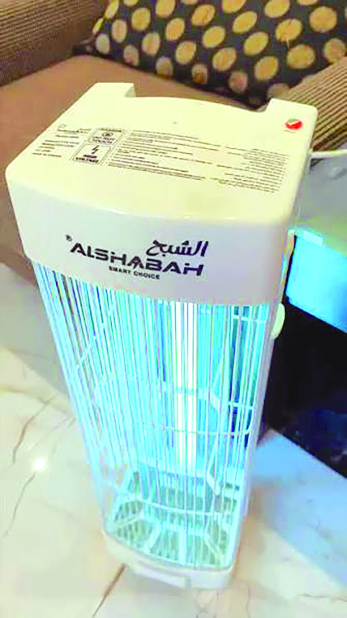
A portable mosquito trap
He explained that the traps use ultraviolet light to attract mosquitoes and insects, which are then eliminated through a high-voltage electric grid. Being battery-operated and rechargeable, the bug zappers can be placed on rooftops, in parks or moved through neighbourhoods on vehicles.
“This flexibility allows us to reach areas that spraying trucks cannot always access easily,” Mr Abdullatif said.
“They are safe, non-toxic and modern. We see them as an additional layer of protection, especially after rainfall when stagnant water becomes a breeding ground.”
Councillors argue that similar devices are used in regional countries and believe Bahrain could benefit from experimenting with the technology in selected locations before making a final judgement.
The proposal has now been formally referred to the Cabinet after councillors insisted on pursuing it beyond municipal and ministerial correspondence.
Mr Abdullatif said the council’s position is rooted in public feedback.
“People want solutions they can see working in their neighbourhoods. Sometimes field reality provides insights that laboratory studies cannot capture,” he said. “Let us try it in limited areas, measure the results, and then decide based on local evidence.”
Councillors are now awaiting a Cabinet ruling that will determine whether portable electric traps get their chance to prove – or disprove – their worth in the field.
mohammed@gdnmedia.bh
&uuid=(email))