

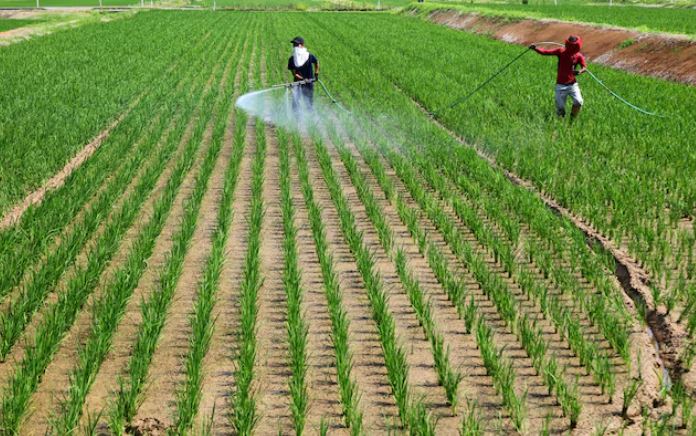
JAPAN’S food self-sufficiency ratio fell to 37 per cent for the fiscal year ended March 31, down 1 percentage point from a year earlier and well below the government’s 45pc target for fiscal 2030, the agriculture ministry said yesterday.
The ratio, among the lowest of developed economies, underscores Japan’s vulnerability to food supply disruptions amid heightened geopolitical tensions, including the prolonged Russia-Ukraine war and the Middle East conflict.
The calorie-based ratio, which measures the share of food consumed that is produced domestically, slipped as rice consumption declined and private-sector stockpiles increased, the Ministry of Agriculture, Forestry and Fisheries said.
The ratio has remained below 40pc for more than a decade despite government efforts to boost domestic production of heavily imported crops such as wheat and soybeans.
Australia, Canada, France and the US have self-sufficiency ratios above 100pc, whereas Germany’s ratio stood at 81pc, Britain’s at 56pc and Italy’s at 51pc in 2023, according to ministry estimates based on the latest available data.
Japan’s self-sufficiency rate measured by production value rose 2 percentage points to 66pc in the last fiscal year, helped by higher domestic prices for rice and livestock products.
The farm sector continues to face structural challenges, including an ageing workforce, a lack of successors and shrinking farmland. Dietary shifts away from rice toward meat and foods cooked with oil have also weighed on the self-sufficiency ratio.
To achieve its 45pc goal, Japan plans to expand farmland for wheat and soybeans, for which it remains heavily dependent on imports, said Toshiaki Sasaki, planning director at the ministry’s food security office.
The ministry will review progress toward the fiscal 2030 target later this month and consider additional measures as needed, Sasaki said.
&uuid=(email))