

The United States offered Iran sanctions relief and an end to the naval blockade imposed on it in exchange for reopening the Strait of Hormuz and halting attacks carried out by its proxies in the region, Saudi state-owned Al Hadath reported yesterday.
According to a senior source who spoke with Al Hadath and Saudi channel Al Arabiya, the US delivered the proposal to Tehran through Pakistan’s army chief, Asim Munir, during his visit to Iran.
The report said Munir carried a US proposal based on a memorandum of understanding previously discussed between Washington and Tehran. Under the proposal, the United States would be willing to end the blockade and lift sanctions if Iran reopened the Strait of Hormuz and brought an end to the activities of its proxies.
Iran’s Supreme National Security Council secretary, Mohsen Rezaee, told Munir that Tehran would continue internal consultations and respond soon.
The report follows a one-day visit to Tehran by Munir and Pakistani Interior Minister Mohsin Naqvi, as part of Islamabad’s efforts to advance a potential agreement between the United States and Iran.
During the visit, Munir met with Iranian President Masoud Pezeshkian, Parliament Speaker Mohammad Bagher Ghalibaf, Rezaei, Foreign Minister Abbas Araqchi, and Interior Minister Eskandar Momeni.
A statement from the Pakistani military said the talks focused on preventing further escalation, reopening the Strait of Hormuz, and accelerating the end of the conflict. Pakistan’s interior minister also said that “significant progress” had been achieved in the discussions.
Iran’s presidential office described Munir’s visit in particularly positive terms. Mehdi Tabatabai, the president’s communications aide, wrote that the visit was “very fruitful” and included “highly valuable diplomatic achievements,” adding that its results would become clear soon.
At the same time, Pezeshkian demanded that the United States honour its commitments and change its “tone and approach” toward Tehran.
According to Al Hadath, the US message also addressed the continuation of attacks by Iran’s proxies despite the halt in direct attacks, an issue Washington wants included in any potential agreement.
Munir, according to the report, told Iranian officials that Pakistan does not take sides in the conflict and seeks to serve as a mediator.
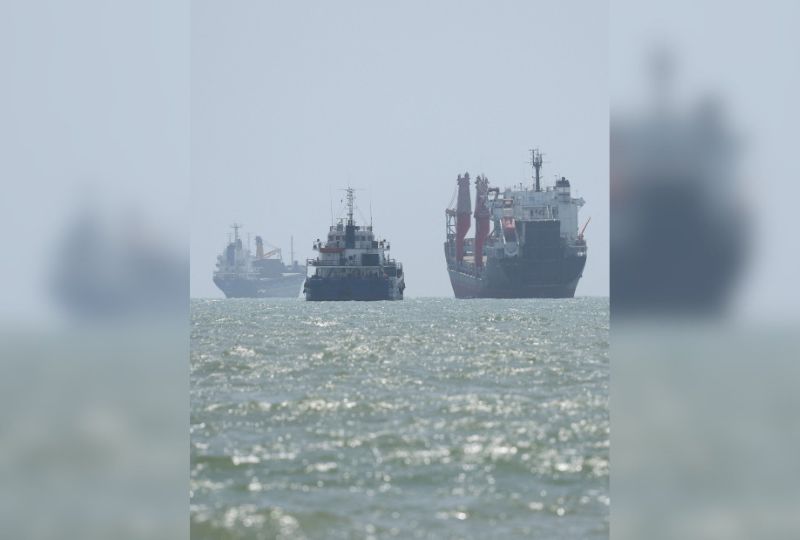
The Strait of Hormuz, a critical route for global oil and gas shipments from the Gulf, has been severely affected in recent months, with shipping traffic through the waterway sharply declining amid Iranian threats and restrictions.
The proposal was revealed one day after the Trump administration announced an expansion of economic pressure on Iran and threatened secondary sanctions against countries and companies that continue trading with Tehran.
Iran, meanwhile, warned that co-operation with such measures would be considered a hostile act.
Washington has not yet officially responded to the report.
Meanwhile, US President Donald Trump has said that the US Navy has removed or detonated all mines in the Strait of Hormuz – the vital waterway which Iran has largely closed since the beginning of the war in the Middle East.
“Iran has been notified that any ship or boat placing new mines will be immediately and systematically destroyed,” Trump said in a post on his Truth Social platform.
There is no comment from Iran.
l British Finance Minister John Healey said yesterday that the country supports US efforts to secure a diplomatic solution on Iran and welcomed steps to increase pressure, including the expanded sanctions on Iran announced Monday.
Healey also called on Iran to cease its “de-stabilising activity” across the region, including in the Strait of Hormuz.
&uuid=(email))