

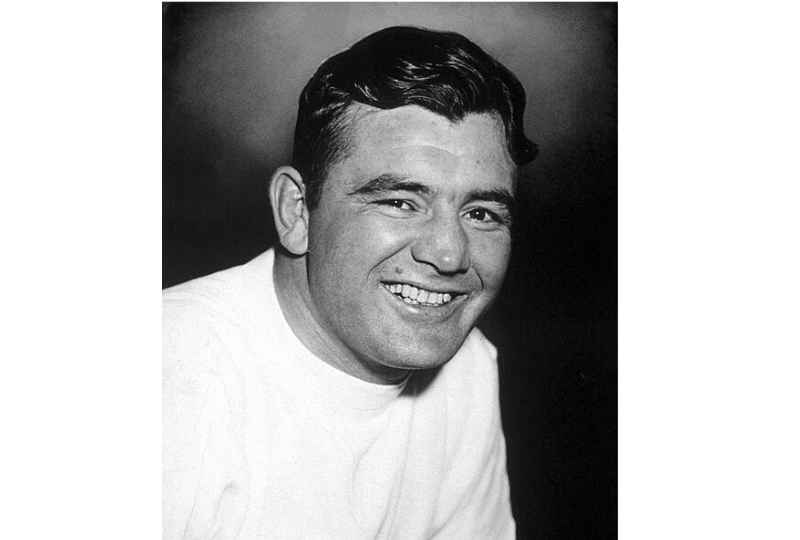
Professional boxer James (Jim) J Braddock, known in boxing circles as the ‘Cinderella Man’, became famous for something rare in sports: he fought for his family, not for wealth.
At a time when many people were fighting to protect their pride, Braddock was focused on survival. Jim’s story is one of sacrifice, steady courage, and hard choices made during one of the worst economic periods in modern American history: the Great Depression.
Braddock was born in New York City in 1905. As a young man, he worked to build a career in professional boxing. He began fighting professionally in the 1920s, when his talent and energy seemed to indicate a bright future. For a while, he looked like the kind of athlete who could climb to the top of his sport. However, boxing is brutal, and Braddock’s body and finances took hits as the years passed.
Then, the Great Depression began to crush the lives of ordinary people. Braddock’s problems became even more painful because they were not only in the ring but also outside it. His career faced slumps, and he suffered hand injuries that made it harder for him to win fights. When a boxer cannot secure matches, the money stops coming in. For Braddock, this meant more worry at home. His family depended on him, and he did what many families in poverty do: he turned to any work he could find.
When he could not get good boxing opportunities, Braddock worked as a dock labourer. These jobs were demanding and often harsh, leaving him physically tired. However, he did it because there was no other reliable way to put food on the table. At the same time, he faced a painful kind of pressure that could not be alleviated by training: the pressure of needing to provide while his body hurt. There were days when his dreams as a fighter felt further away than ever.
However, Braddock did not give up. He continued to chase a chance to return to the ring, even when the odds were against him. He strongly believed that his efforts could still help his children. In his life, pride was not a luxury; it was something he had to protect as he endured humiliation and pain. Braddock repeatedly sacrificed his own comfort and resources to keep his family safe and fed. His courage was not the loud kind that wins over crowds. It was quiet courage, shown through endurance.
In the ring, Braddock became known for accepting punishment without losing his control. He was never intimidated by an opponent, even when he faced stronger or more famous ones. People watching him could see that his style was built on determination rather than on flashy fame. He continued because he had to. Each match risked his health, but each win meant hope for his home. At a time when many dreams were ending, Braddock’s dream refused to die.
Braddock’s comeback became history on June 13, 1935. On that day, he defeated the reigning champion, Max Baer. The fight shocked many observers because Baer was already a major heavyweight boxing figure. Braddock, a man who had suffered injuries and worked hard to survive, seemed like an underdog. However, he defied expectations and won the heavyweight championship. It was not only a sports victory but also a symbol of resilience. Americans facing daily struggles felt that his success proved something important: even when life seems unfair, steady effort can open doors.
His rise did not end with a single title. In 1937, Braddock faced Joe Louis, another legendary boxer. This moment showed how far he had come since his worst struggles. Even then, Braddock’s story remained centred on family and duty rather than personal glory. His matches were not only about winning belts; they also showed that ordinary people can survive impossible conditions.
Braddock retired in 1938. After that, his legacy lived on through boxing history and through the people who remembered what he meant during difficult times. In 2001, he was inducted into the International Boxing Hall of Fame for his contributions. This honour helped bring his story to new generations who may not have known his name.
Long after his career ended, public interest in his life grew through film. In 2005, the film ‘Cinderella Man’ brought his story to a wider audience. The film portrays his fairytale-like comeback, but it also shows the truth behind the ‘fairytale’. In real life, Braddock’s comeback was built on fearlessness, sacrifice and a stubborn refusal to stop trying. He fought not because it was easy but because it mattered.
James J Braddock remains remembered as the ‘Cinderella Man’ for a reason. His life was not filled with comfort, and his road to glory was not easy. Yet, he reached the top of boxing by doing something most people forget when life becomes hard: he kept showing up. During the Great Depression, when many had little hope, Braddock fought for his family and proved that courage can be stronger than poverty.
Dr Aloma Jayasundera
&uuid=(email))