

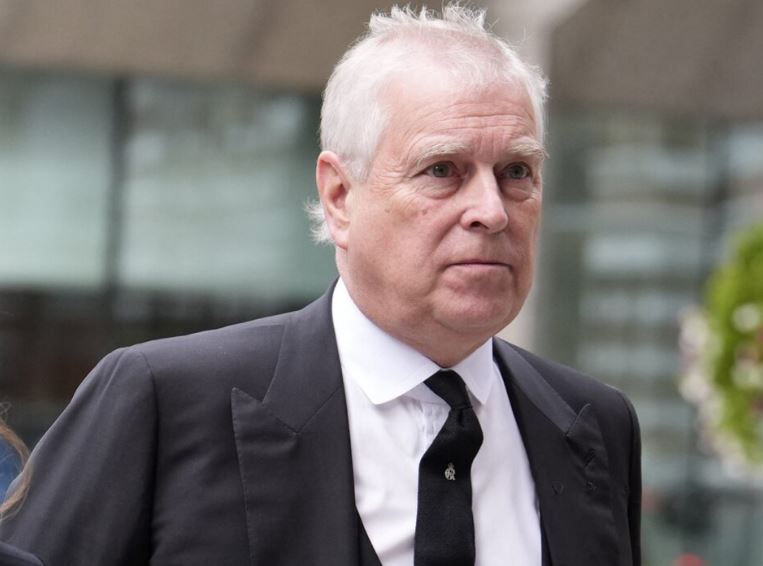
King Charles’ younger brother, Andrew Mountbatten-Windsor, is taking the police to court to challenge warrants connected to his arrest on suspicion of misconduct in public office over allegations he sent government documents to Jeffrey Epstein.
Britain’s Judicial Office, part of the non-political civil service, said yesterday a hearing would take place on Thursday after the former prince sought to quash the search warrants issued as part of his arrest in February.
The judicial office gave only limited information about the grounds for the challenge to the warrants. Legal experts said even a successful challenge on technical grounds might not halt the wider investigation into the former prince’s conduct.
The second son of the late Queen Elizabeth has denied any wrongdoing in relation to Epstein, and said he regrets their friendship. His lawyer did not respond to a request for comment.
He was arrested on suspicion of leaking confidential government documents to the late convicted sex-offender Epstein when the then-prince served as a British special representative for trade, between 2001 and 2011. Police have not charged him and the investigation is ongoing.
The arrest of Mountbatten-Windsor, and the anger over his relationship with Epstein, has left the British royal family facing one of its worst crises in 90 years.
A Palace source said Andrew had been told that money provided from private funds by his brother the king should not be used to fund his legal challenge.
Thames Valley Police, which carried out the arrest, confirmed it was engaged in legal proceedings in relation to warrants it had obtained. The police force declined further comment.
The judicial office said the hearing on Thursday, which will begin in private, relates to an effort by the police to restrict access to court documents, without giving further details.
Should Mountbatten-Windsor succeed in having the search warrants quashed, the investigation could still proceed unaffected, said Nick Vamos, partner at law firm Peters & Peters.
“Even if there was some technical flaw with the original warrants, if that can be remedied then the Crown Court may simply allow the police to keep hold of all the material anyway,” said Vamos, who is not directly involved in the case.
&uuid=(email))