

Chemical signatures of substances detected in Bahrain and shared through a proposed regional database could help authorities identify the source of illegal drugs coming into the kingdom, a forum heard.
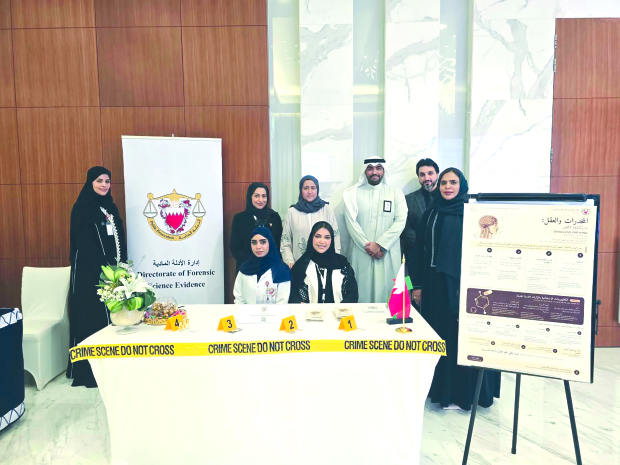
Speaking on the sidelines of the fourth Bahrain Psychiatric Conference, ending today, at the Gulf Convention Centre, the Interior Ministry’s forensic science evidence directorate team noted that there are numerous studies currently ongoing to improve source analysis.
“We want to analyse the source to see where the majority of these chemicals are coming from,” forensic scientist Mohamed Jamal Al Qallaf told the GDN.
“But this type of analysis requires international co-operation, so we need to establish maybe a database, and this is something the government is working on with the regional partners to counter emerging drug threats in the area.”
The theme of this year’s conference centres on addiction, and the Interior Ministry booth at the forum highlighted addictive substances of concern in the kingdom.
The four primary substances commonly associated with addiction in Bahrain are methamphetamine (shabu), cannabis, opium and synthetic cannabinoids, which can be difficult to detect.
“We are responsible for examining a variety of drugs, stimulants, depressants, hallucinogens, and novel psychoactive substances, which are the new emerging drugs,” Mr Al Qallaf added.
“Thanks to the authorities and the Bahraini government, our lab is well equipped with state-of-the-art equipment to detect and quantify these substances.
“When we are detecting substances, especially in biological samples like urine or blood , we need very sensitive instruments that can detect up to the picogram level, because some of these new substances are rapidly metabolised out of the body, so by the time we receive the sample, it could be only a small percentage that still remains in the body.”
&uuid=(email))