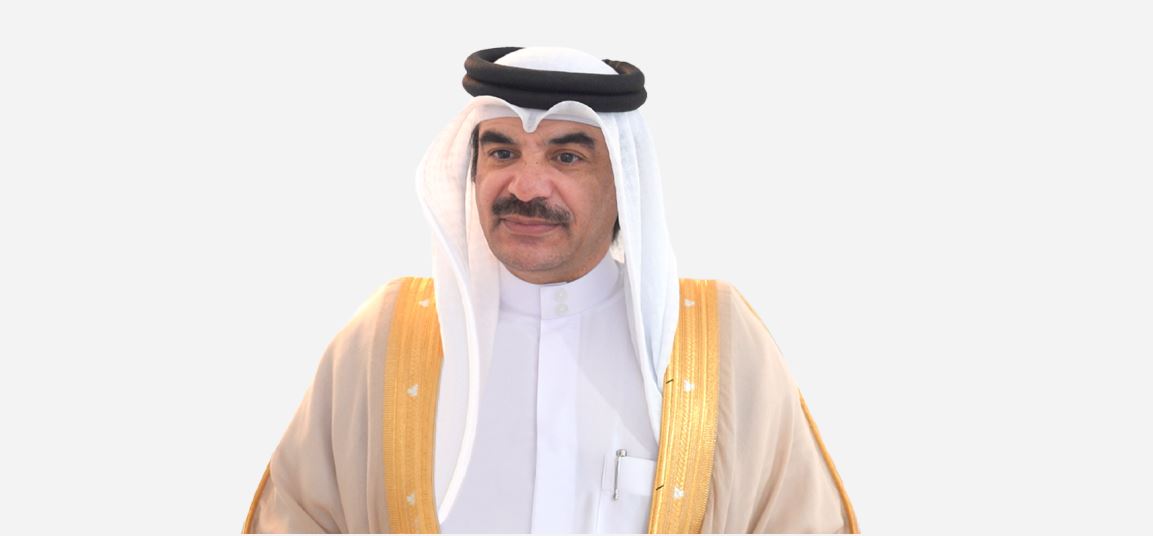
BAHRAIN’S Parliament has become the first legislative body in the Middle East and Asia to receive ISO 14001:2015 certification for its environmental management system.
The accreditation sets a leading example for other institutions to adopt sustainable practices and strengthen Bahrain’s reputation as a pioneering nation committed to global environmental standards, said Parliament secretary-general Mohamed Al Sisi.
He added that the parliamentary environmental achievement aligns with His Majesty King Hamad’s vision to advance green environmental values, sustainable development, the use of eco-friendly technologies and community participation in environmental protection.
It also supports Bahrain’s commitment to the United Nations Sustainable Development Goals, in addition to bolstering national initiatives targeting a 30 per cent reduction in greenhouse gas emissions by 2035 and achieving net-zero carbon emissions by 2060 as outlined in the National Energy Strategy.
Mr Al Sisi praised the efforts of Parliament Speaker Ahmed Al Musallam and his team for the recognition which represents a practical step towards the concept of a ‘Green Parliament’, focusing on integrating sustainable environmental practices into the legislative and administrative operations of parliamentary institutions.
By adopting ISO 14001:2015, Bahrain’s Parliament is committed to improving energy efficiency and implementing eco-friendly policies throughout its activities, added Mr Al Sisi.
ISO 14001 is the international standard that specifies requirements for an effective environmental management system (EMS). It provides a framework that an organisation can follow, rather than establishing environmental performance requirements.
“This accreditation grants Parliament greater credibility and trust both nationally and internationally, demonstrating the legislative institution’s commitment to global environmental management standards,” said Mr Al Sisi.
“It reflects a high level of transparency and governance, enhances Bahrain’s role as a trusted partner in global environmental efforts and underlines investment in human capital development and widespread environmental responsibility within Parliament.”
The secretary-general said that the accreditation also aligns directly with Bahrain Economic Vision 2030, which prioritises sustainability and environmental balance, and contributes to the achievement of the United Nations Sustainable Development Goals (SDGs), such as SDG 11 (sustainable cities and communities) by rationalising resources used in Parliament building, SDG 13 (climate action) by reducing its carbon footprint, and SDG 16 (peace, justice and strong institutions) by enhancing institutional transparency and environmental efficiency.
The latest accomplishment coincides with several major environmental occasions, including the International Day for the Conservation of the Mangrove Ecosystem, and further marks the beginning of new developments such as expansion of green spaces, the adoption of clean energy sources and an increase in the number of trees within Parliament.
Mr Al Sisi said that Parliament will organise a Green Parliament Week, hold workshops on sustainable environmental management and host an in-house exhibition of eco-friendly products. Additional activities will include the launch of the ‘Towards a Paperless Parliament’ campaign, Tree Planting Day on Parliament grounds, the installation of energy and water-saving devices and the introduction of screens displaying daily energy usage as an environmental indicator.