

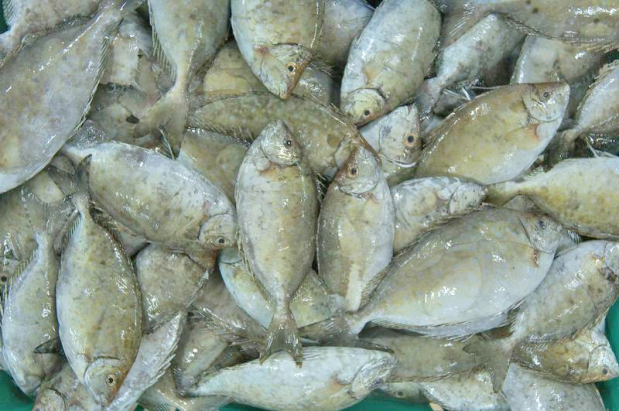
THE annual fishing ban on sheri, safi and andaq fish will return on Wednesday and run until May 31.
According to the Supreme Council for Environment (SCE), the seasonal two-month ban comes as part of measures taken by the kingdom to preserve fish stocks.
“The ban will enhance the sustainability of environmental balance, rehabilitate the ecosystem, and increase the quantity and variety of marine life available in local markets,” the SCE said in a statement.
“Fishing for sheri, safi and andaq in the territorial waters of Bahrain will be prohibited during April and May each year.
“Fishermen who catch these species during the ban period must promptly release them back into the sea, and take due care to ensure their safety.
“The council stresses the importance of strengthening community co-operation to comply with the implementation of the decision in a manner that contributes to preserving fish stocks.
“Regulating fishing is a national responsibility whose positive impact extends to all members of society.”
The authorities, led by the Coast Guard, are expected to patrol the waters during this period as they usually do to ensure that fishermen adhere to the ban.
Over the past few years, legal action has been taken against violators, who are referred to the Criminal Courts.
An annual six-month ban on fishing and trading shrimp is also currently underway until July 31, alongside a ban on catching crabs until May 15.
Last year, fishermen across Bahrain called on authorities to modify the seasonal ban on catching safi, sheri and andaq, claiming that they were having a difficult time making ends meet.
In a social media post, the Fishermen’s Society asked officials to clarify the primary goal of the ban and suggested adjusting the ban by restricting fishing to a certain level rather than imposing a blanket ban.
The society claimed that this would ensure the sustainability of the fish species as well as allow fishermen to do their jobs.
It claimed that maintaining only 10 to 20 per cent of the spawning population ensures the fish stock replenishes itself, evidenced by the large number of juvenile fish every September, resulting from the eggs laid in the preceding months.
The society believes that efforts should focus on protecting juvenile fish during September and not spawning fish in April and May.
Fishermen have been calling for alternative solutions to the seasonal ban, stating that it affected their livelihood not just during the ban period, but also after it.
Professional Fishermen Society secretary Fayez Al Arees told the GDN last year that the fish tend to move away to new waters after the ban, which means there are fewer fish available for the people of Bahrain.
Mr Al Arees believes that any regulatory action should be based on scientific evidence to justify measures taken, rather than blindly implementing an annual ban. He argues that it is important to determine whether a ban is actually needed that year or not, and if so, which fish needs to be included in it.
nader@gdnmedia.bh
&uuid=(email))