

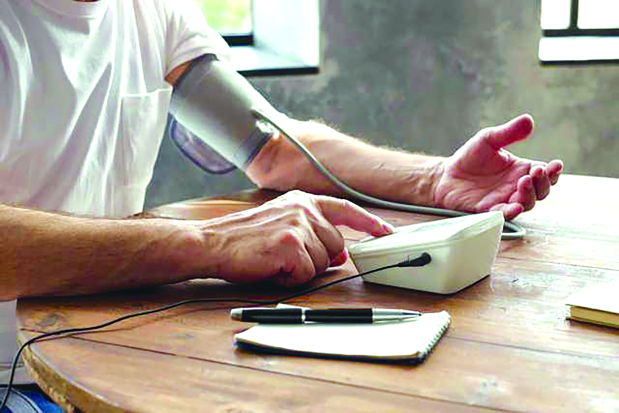
Leading doctors in Bahrain are sounding the alarm over a troubling rise in hypertension cases among younger adults, as the condition continues to rank among the country’s most common chronic illnesses.
Experts say the increase is being driven by a combination of lifestyle-related factors, including excessive salt intake, obesity, diabetes, stress and the growing use of smoking cigarettes and shisha.
The warning comes as World Hypertension Day is being marked today as part of Hypertension Awareness Month, with health professionals urging people not to neglect routine checkups or blood pressure monitoring.
Often referred to as the ‘silent killer’, hypertension usually develops without early symptoms, while significantly increasing the risk of heart attacks, strokes, kidney disease and premature death.
Al Hilal Hospital internal medicine Dr Rahul Abbas told the GDN that a concerning number of younger adults are now being diagnosed with hypertension aged in their 20s and 30s, while current estimates suggest around 30 to 35 per cent of adults in Bahrain suffer from high blood pressure.

Dr Abbas
“Many people remain unaware they have hypertension because symptoms often do not appear in the early stages, with the condition frequently discovered only during routine medical examinations,” he said. “In Bahrain, the combination of unhealthy dietary habits, reduced physical activity and rising obesity and diabetes rates has contributed to hypertension becoming increasingly prevalent.”
According to GDN reports, more than 36pc of adults in Bahrain are obese, while around 15pc suffer from diabetes.
“Obesity increases the workload on the heart and contributes to hormonal and inflammatory changes that raise blood pressure, while diabetes damages blood vessels and affects kidney function, both of which can lead to hypertension,” he explained.
Dr Abbas added that other major causes of high blood pressure in Bahrain include excessive salt intake, genetics, increasingly sedentary lifestyles, chronic stress, smoking, shisha use and sleep disorders such as sleep apnea.
King’s College Hospital London-Dubai Bahrain Clinics consultant interventional cardiology Dr Hussain Ibrahem advised young people to not skip their routine check-ups, warning that high blood pressure often goes undetected for long periods as symptoms typically do not appear until later stages.

Dr Ibrahem
“Early detection is crucial as hypertension can quietly damage the heart and blood vessels even in those who appear healthy,” he said, adding that when symptoms do occur, they may include headaches, dizziness, blurred vision, shortness of breath, chest discomfort or fatigue.
He stressed that a simple blood pressure test can identify problems early and help prevent more serious complications from developing. A normal blood pressure reading for most adults is below 120/80 mm Hg.
Dr Ibrahem said many cases of hypertension can be prevented or delayed through healthier lifestyle choices. “Maintaining a healthy weight, exercising regularly, reducing salt intake, following a balanced diet, managing stress, sleeping well and avoiding smoking can all significantly lower the risk,” he said. “Even small, consistent changes in daily habits can significantly reduce the risk of heart disease over time.”
Meanwhile, clinical dietician and Health Mates Society vice president Areej Alsaad highlighted the role of nutrition in both preventing and managing hypertension. “The Dietary Approaches to Stop Hypertension (DASH) is a balanced, heart-healthy eating plan designed to lower blood pressure and reduce the risk of heart disease,” she said, noting that it emphasises healthy vegetables, fruits, whole grains and lean protein, while strictly limiting salt, saturated fats and sugary foods.
According to the Centres for Disease Control and Prevention, globally, the vast majority of people fail to meet recommended dietary guidelines.
While more than 50pc of the world meets or exceeds protein targets, estimates show that fewer than 10 to 15pc meet the recommended daily intakes for fruits, vegetables and whole grains.
Recommended daily intake varies based on age, gender and activity level. Generally, adults should aim for 46 to 56 grams of protein, two cups of fruit, 2.5 cups of vegetables and three to six ounces of grains (with at least half being whole grains).
Dr Alsaad also pointed out that many people consume excess sodium through processed foods rather than table salt. “Common high-sodium foods include fast food, chips, processed meats, instant noodles, pickles, canned soups, processed cheese and sauces,” she said.

Dr Alsaad
She added that potassium-rich foods can help support healthier blood pressure levels, including bananas, potatoes, spinach, beans, yoghurt, dates and avocados. Dr Alsaad also stressed the importance of maintaining a healthy weight, as it helps reduce inflammation, improve insulin sensitivity, ease strain on the heart, support sodium balance and reduce visceral fat.
“People should aim for at least 150 minutes of moderate-intensity activity each week, including walking, cycling, swimming and resistance training,” she said.
Hypertension remains the leading preventable cause of premature death worldwide. According to the World Health Organisation, an estimated 1.4 billion people live with hypertension globally. Despite the availability of effective and affordable treatments, many people are unaware of their condition, and only about one-in-four people with hypertension have their blood pressure adequately controlled.
Here are some key messages for this year’s World Health Organisation’s World Hypertension Day, under the theme, ‘Controlling Hypertension Together: check your blood pressure regularly, defeat the silent killer’.
* Check your blood pressure: Regular blood pressure measurement is the first step to prevention and control. Everyone should know their blood pressure values.
* Hypertension can be prevented and controlled: Healthy diets, physical activity, avoiding tobacco, and appropriate medication can significantly reduce risk.
* Early detection saves lives: Most people with hypertension are unaware they have it. Screening and routine measurement are essential.
* Treatment works: Affordable, effective treatments are widely available and can prevent serious complications when taken consistently.
* Control requires long-term care: Hypertension management is lifelong and depends on sustained access to care, medicines and follow-up.
* Equity Matters: Strengthening primary care and ensuring access to diagnosis and treatment are critical to reducing disparities.
julia@gdnmedia.bh
&uuid=(email))