

A campaign to remove animal pens, poultry cages and rooftop breeding sites from Bahrain’s residential neighbourhoods has received a major boost after the government signalled its support for a Capital Trustees Board proposal aimed at regulating the practice and protecting public health.
The initiative, championed by Capital Trustees Board services and public utilities committee chairman Mohammed Al Abbas, was unanimously approved by the board in March and referred to Municipalities Affairs and Agriculture Minister Wael Al Mubarak for action.
Now, a formal response from the Municipalities Affairs and Agriculture Ministry has endorsed the proposal’s core objectives, paving the way for a structured plan to tackle the growing spread of livestock sheds and bird breeding facilities in densely populated urban areas.
Mr Al Abbas welcomed the ministry’s position, describing it as a significant step towards addressing a long-standing issue that has generated increasing complaints from residents.
“The ministry’s response represents important institutional support for the proposal and reflects a shared understanding among government bodies of the need to regulate these activities in a way that protects public health, preserves the environment and respects the rights of residents,” he said.
“Our goal has never been to punish breeders. We want to organise the activity, eliminate random and unsafe practices, and ensure that those involved can continue their work legally and in suitable locations.”
The ministry’s response, signed by Agriculture Under-Secretary Assem Abdullatif, confirmed that the proposal aligns with efforts to strengthen biosecurity measures and reduce environmental and health risks associated with keeping animals and birds inside residential communities.
Officials pointed to existing regulations, including Resolution No 141 of 2024 governing the licensing of livestock production facilities, which prohibit the operation of such establishments without the necessary veterinary, health and environmental approvals.
The ministry also highlighted the need for a comprehensive survey of existing animal pens and breeding sites to create an accurate database that would help assess risks and prioritise action.
Among the key recommendations are the development of properly equipped alternative sites away from residential areas, complete with infrastructure, veterinary safeguards and safe waste-disposal systems to minimise the risk of disease outbreaks.
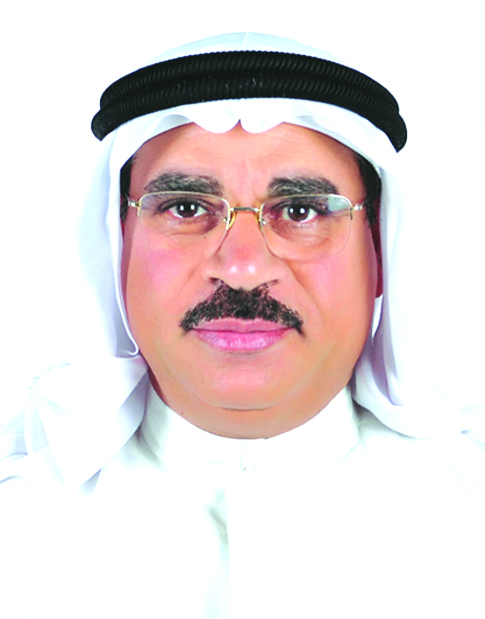
Mr Al Abbas
Mr Al Abbas said the ministry’s observations closely mirrored the board’s original proposal.
“The response emphasised the importance of creating suitable alternative locations, respecting legally required buffer zones between livestock facilities and homes, and implementing a gradual transition plan that takes into account the social and economic circumstances of breeders,” he explained.
“This demonstrates that there is broad agreement on both the problem and the solution.”
The proposal emerged after reports of increasing numbers of goats, chickens, pigeons and other animals being kept in homes, rooftops and makeshift enclosures across residential districts, often leading to complaints over foul odours, insects, noise and waste.
The board’s original report called for such activities to be relocated to designated agricultural zones where livestock production is already regulated and permitted under existing planning classifications.
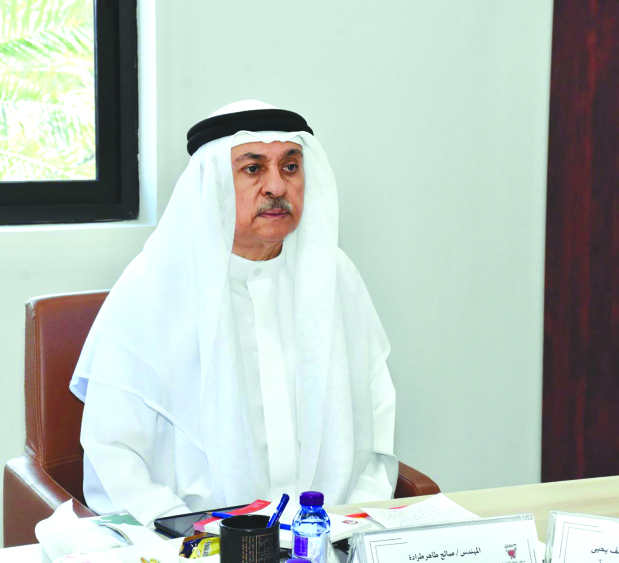
Mr Tarradah
Capital Trustees Board chairman Saleh Tarradah said the ministry’s response represented an important milestone in moving the proposal from concept to implementation.
“This is a positive development that brings us closer to creating a practical and enforceable framework for addressing the issue,” he said.
“Our objective is to protect neighbourhoods, improve quality of life and ensure that livestock activities are carried out in locations specifically designed for that purpose.”
The proposal will now move into its next phase through co-ordination between the ministry and other relevant authorities to develop an integrated implementation plan.
mohammed@gdnmedia.bh
&uuid=(email))