

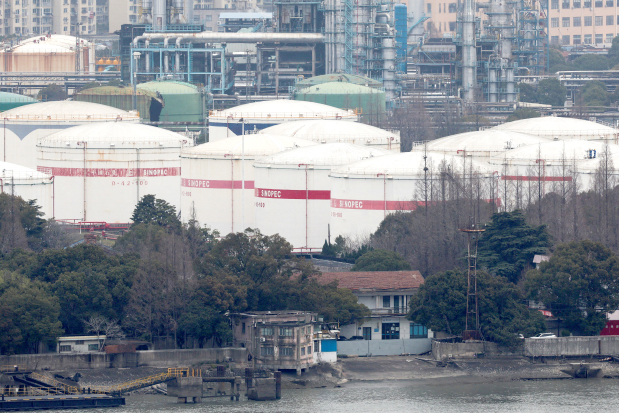
The conflict in the Middle East has deepened forecasts of a global oil deficit in 2026, according to a Reuters poll of analysts, but recovering Gulf flows, robust US production and weaker demand from China are expected to tip the market into an oversupply in 2027.
The Iran war has choked crude production and exports out of the Gulf, prompting analysts to cut their near-term supply forecasts and reverse course on previous expectations of a glut this year. Eight analysts polled by Reuters see an average deficit of 1.5 million barrels per day in 2026, roughly double the 750,000bpd deficit forecast in a similar poll in April. In contrast, prior to the Iran war, analysts expected a 1.63m bpd surplus for 2026.
However, the market is expected to bounce back to a surplus of 1.9m bpd in 2027, the poll showed.
“This market has flipped from fear of shortage to glut risk fast. US energy dominance shines through – our exports have been a lifeline,” said Phil Flynn, senior analyst with Price Futures Group.
Brent crude futures have climbed around 28 per cent so far in July. Prices posted their sharpest monthly rise in March at 63pc, according to LSEG data dating back to June 1988.
Looking ahead, analysts see multiple supply-side drivers for a market surplus in 2027, including increased flows out of the Gulf after the Strait of Hormuz is reopened, Opec+’s decision to unwind its production cuts and strong output from the US and Latin America.
Meanwhile, demand from China is anticipated to be lower, with HSBC trimming its forecast by 0.78m bpd this year and 0.55m bpd in 2027 versus pre-war estimates, due to electrification and substitution effects.
“By the end of 1Q 2027, global oil stocks could be back to their February 2026 peaks, entirely erasing the drawdowns seen from March to late summer 2026. Thereafter, they would continue to climb to potentially new record highs, exceeding 2020 pandemic levels,” said Kim Fustier, head of European oil & gas research at HSBC.
Global oil supply rose by 4.1m bpd in June, according to the International Energy Agency, but was still 9.4m bpd below pre-war levels. The agency expects supply to increase by 7.5m bpd next year, contingent on improved Hormuz transits.
Analysts polled by Reuters also cautioned that any expectations of a future market surplus will hinge on how quickly flows through the Strait of Hormuz normalize.
“We saw a ‘mini glut’ in supply as a lot of trapped vessels exited the Strait after the interim deal. But will ships enter the Strait at the same pace as before?” said DBS Bank analyst Suvro Sarkar.
&uuid=(email))