

Bahrain’s landmark Anti-Terrorism Law could soon face its toughest overhaul since it came into force two decades ago, with MPs seeking stronger powers to confront what they describe as a new wave of terrorist glorification, clandestine networks and foreign-backed subversive activities.
Parliament’s foreign affairs, defence and national security committee chairman Dr Hassan Bukhammas told the GDN that discussions with the Interior Ministry would begin in the coming weeks to identify amendments to Law No 58 of 2006 on the Protection of Society from Terrorist Acts.
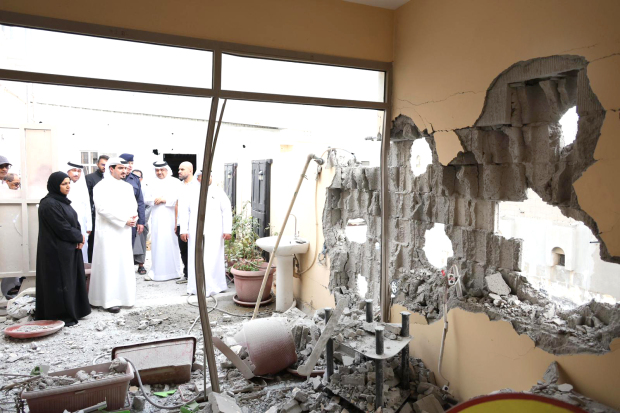
The move follows the recent Iranian aggression against Bahrain and other countries in the region, as well as growing concern over attempts to glorify terrorism, recruit sympathisers and undermine national security.
“The current law has served Bahrain well over the past 20 years, but the nature of terrorist threats has changed dramatically,” said Mr Bukhammas.

Dr Bukhammas
“Today we are facing more sophisticated methods of recruitment, incitement, financing and covert operations. The legislation must evolve to ensure it remains a powerful deterrent against anyone seeking to threaten Bahrain’s security and stability.”
While the committee has yet to finalise the proposed amendments, Dr Bukhammas indicated they would focus on ensuring that punishments better reflect the gravity of terrorism-related offences and close any legal gaps that could be exploited by extremist networks.
“The magnitude of harm and evil associated with terrorist crimes demands tougher legal measures,” he said.
“There can be no tolerance for those who glorify terrorism, collaborate with hostile foreign organisations or attempt to destabilise our country through covert activities. Protecting citizens and safeguarding national unity remain our highest priorities.”
The existing legislation already provides severe penalties for a broad range of terrorism-related offences, including establishing or joining terrorist organisations, financing or supporting extremist groups, recruiting or training terrorists, carrying out bombings, collaborating with foreign terrorist entities and promoting terrorist acts.
Depending on the offence, penalties range from imprisonment and hefty fines to life sentences and, in the most serious cases involving loss of life, the death penalty.
The law also grants investigators enhanced powers in terrorism cases, including extended detention periods, judicially authorised surveillance of communications, monitoring of financial transactions, travel bans and asset freezes where necessary to protect national security.
Dr Bukhammas said Parliament wants to ensure the legislation remains capable of addressing emerging threats, particularly in the digital age where extremist propaganda and foreign influence campaigns can spread rapidly through online platforms.
“Security legislation must always keep pace with changing realities,” he said.
“Our objective is not simply to increase penalties, but to ensure Bahrain possesses the legal tools needed to prevent terrorist activities before they occur and to protect future generations from extremist ideologies.”
He stressed that the committee would work closely with the Interior Ministry and other relevant authorities before presenting any draft amendments to Parliament, ensuring the revised law strengthens national security while remaining consistent with Bahrain’s legal framework and international commitments in combating terrorism.
The proposed amendments are expected to be debated after consultations with the ministry are completed, before being submitted to Parliament for legislative consideration.
mohammed@gdnmedia.bh
&uuid=(email))