

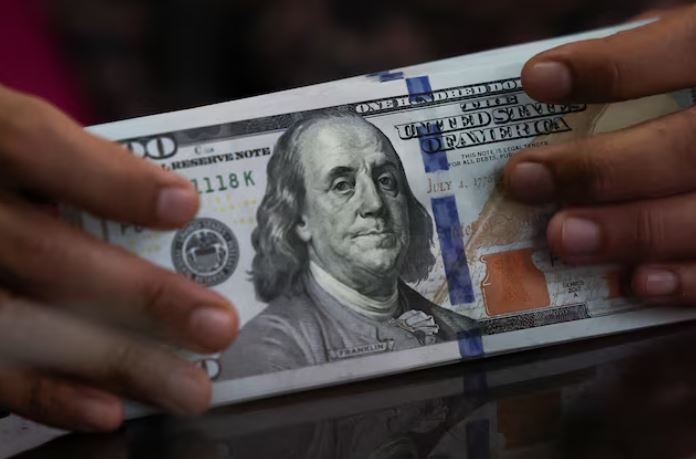
The dollar slipped yesterday, trading near a three-month low against the euro, as concerns mounted that the US Treasury’s plan to expand buybacks of longer-dated government debt could weigh further on the US currency.
Treasury Secretary Scott Bessent said Thursday he may increase the government’s repurchases of Treasuries even further, a day after the department surprised markets by pledging to at least double the size of its buybacks of longer-dated debt in an effort to rein in bond yields.
Long-dated yields jumped this week, with the 30-year yield reaching its highest level since 2007. Traders cited concerns over the deteriorating fiscal outlook, heavy issuance, geopolitical risk stemming from the war with Iran, and uncertainty over the Federal Reserve’s policy path.
Analysts say that holding yields down will simply shift the burden of fiscal concerns onto the currency. And so far the strategy hasn’t achieved its primary goal, as yields have crept back higher.
“Bessent’s efforts to suppress US yields haven’t done much for US yields, but it’s undermined the dollar,” said Marc Chandler, chief market strategist at Bannockburn Global Forex. “The market is pushing back.”
The dollar index, which measures the greenback against a basket of currencies including the yen and the euro, fell 0.05 per cent to 98.79, with the euro up 0.03pc at $1.1682. The single currency earlier reached $1.1711, the highest since May 14.
Sterling strengthened 0.04pc to $1.3635. It reached $1.3675, the highest since February 11.
The Japanese yen strengthened 0.14pc to 158.82 per dollar after data showed core consumer inflation had accelerated in July, bolstering the case for a rate hike by the Bank of Japan.
US and Japanese authorities propped up the yen through joint intervention last month, but investors say the Japanese currency could resume its decline unless the BOJ tightens policy.
“The yen is certainly salvageable, but it’s not a one-way train,” said Roosevelt Bowman, senior investment strategist at Bernstein Private Wealth.
“Given that growth and inflation have at least firmed somewhat in Japan, if the BOJ policy was seen as more symmetric, with the central bank pushing against any inflationary pressures, it would help the yen.”
Rate increases typically support a currency. The BOJ’s next policy meeting is on September 17 and 18.
&uuid=(email))