

Sri Lanka’s economy is still vulnerable to external shocks despite the Middle East crisis easing, an official of the International Monetary Fund (IMF)said yesterday calling on the island nation to remain on track with key reforms.
Supported by a $2.9 billion programme from the global lender, Sri Lanka is recovering from a severe financial crisis triggered by a record dollar shortage four years ago.
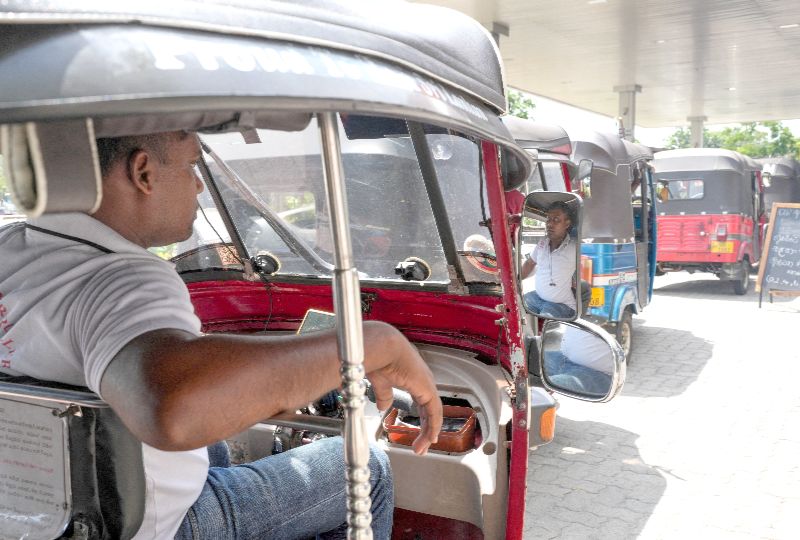
Hit by soaring energy costs the island nation, which imports all its fuel, introduced rationing, steeply increased prices, and declared Wednesdays as public holidays from early March.
Despite the easing of energy costs Sri Lanka should still be careful of its public spending, rebuild foreign exchange reserves and protect the poorest households, IMF’s Sri Lanka mission chief Evan Papageorgiou said yesterday.
“Monetary policy should remain prudent, agile, and data-dependent to safeguard price stability under heightened global uncertainty,” Papageorgiou said, adding that balance of payments restrictions should be phased out.
The Central Bank of Sri Lanka raised its policy rate by 100 basis points to 8.75 per cent in May, its biggest hike in three years, to counter higher inflation and a depreciating currency due to the impact of the energy shock from the US-Israeli war against Iran.
Despite the policy increase Inflation hit 6.8pc in June and is likely to remain above the CBSL target of 5pc for the next 3-4 months, analysts said.
&uuid=(email))