

On November 21, 1915, a dream began to fail in one of Earth’s harshest places. Sir Ernest Shackleton and his 27 crew members looked out at the sea near Antarctica and saw a terrible truth. Their ship, Endurance, was trapped and crushed by the ice. As the day progressed, hope sank with the ship.
After the Endurance broke apart, the men were left with nothing but a frozen world around them. They were stranded thousands of miles from home, far beyond the reach of any rapid rescue. From that moment, survival depended not only on the weather and luck, but also on courage, discipline and small acts of human strength.
The Antarctic darkness that followed was not like a normal winter night. It was endless and burdensome. Ice spread everywhere, blocking paths and stealing comfort. The men had to live on a moving, dangerous surface while waiting for help to arrive. However, help did not come when they needed it most.
They faced months of cold, hunger and fear. Still, they continued. They shared food when they could, helped each other when someone was weak, and tried to stay mentally strong even when the world felt hopeless. Life became a constant struggle, but it was also a test of how people could keep their spirits alive in the face of extreme danger.
Later, the crew explained that survival was not only physical. It was also psychological. Their hardships could have broken them, especially during long periods of fear and uncertainty. They needed ways to keep their minds steady and hearts hopeful. One of the most surprising tools was a banjo. Many people might think of a banjo as a simple musical instrument, something for entertainment. However, for Shackleton’s crew, music became more than just sound. It became a source of comfort and a kind of medicine.
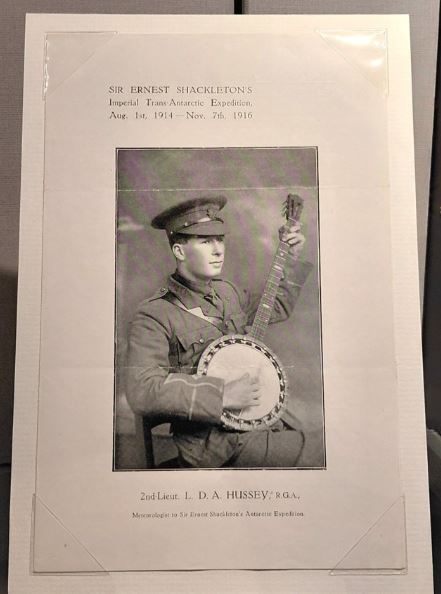
The expedition journal and the crew’s later stories show how important this was to them. The banjo did not stop the cold or remove ice. It could not bring them closer to their homes. However, it helped them deal with the inner problems that arise when people are trapped. When a person is hungry, frightened and exhausted, they need more than just food. They also need a reason to keep thinking, working, and believing that tomorrow might be different. For Shackleton’s men, Hussey’s banjo became one such reason. The man behind the music was Hussey. He worked as the expedition’s meteorologist, studying the weather and helping the team understand what the ice and storms might do next.
In the long survival preparations, Shackleton established strict rules about the amount of personal gear each man could bring. Most men were limited to small amounts of alcohol. But Hussey was treated differently. He was allowed more than two pounds of personal equipment because Shackleton considered his role and mental needs to be special. Hussey was also allowed to bring a 12-pound Windsor banjo. That extra weight might sound strange to someone not thinking about the mind during a disaster. But Shackleton understood that a person’s spirit can be as important as their body.
He told Hussey that it was vital mental medicine and that ‘we shall need it’. Shackleton’s words show that he did not plan only for physical survival. He planned for survival in a human sense. He knew that the crew would have to endure long stretches of fear, boredom and grief.
Music could help them endure these stretches. As the expedition grew more brutal and survival became a trek across ice and snow, the crew’s journals described the banjo’s effect on morale. The men were exhausted and sometimes angry, and they often faced situations in which morale could collapse. Nevertheless, Hussey’s music helped. According to their writing, the banjo did something important: it fed their minds. One sailor wrote that the banjo did ‘supply brain food’. Another man said it was ‘Hussey’s indispensable banjo’. These short lines carry significant meaning. They show that the crew understood music as practical. It supported their thinking and their ability to remain strong.
The trek after the Endurance was destroyed was not easy. Each step had to be planned. Each decision could mean the difference between life and death. The men had to fight the cold while traversing rough terrain. They had to manage limited supplies and make careful choices about when to rest and search for better ground. At these moments, music could not change the landscape. But it could change the feelings inside a group. It could bring people together, reduce tension, and help them remember that they were still human beings with hopes and tastes beyond mere survival. In a harsh environment such as Antarctica, even small things matter.
A warm shelter matters. A shared meal matters. A map and plan matter. However, sometimes, the smallest comfort becomes the most important tool. A banjo might seem like a luxury, but for Shackleton’s crew, it became a symbol of hope and a real method of staying mentally alive.
On November 21, 1915, the Endurance sank beneath the ice. However, the crew did not sink completely. Their resilience, and even their music, kept them moving ahead.
Shackleton and the banjo remind us that survival is not only about overcoming nature, but also about protecting the mind.
Even thousands of miles from home, amid ice and endless darkness, they found ways to survive. Hussey’s banjo was one. It offered comfort when it was hard to find. It helped turn hope into something the crew could carry, even after the ship that brought them there was gone.
Dr Aloma Jayasundera
&uuid=(email))