

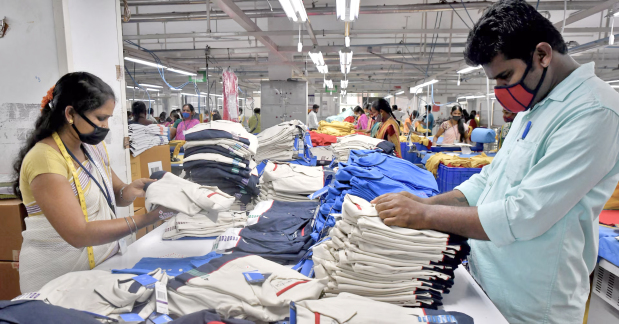
Indian textile and apparel exporters will face a disadvantage against Asian rivals under Washington’s new 10 per cent tariff on Indian goods, an industry body said yesterday.
The Trump administration imposed 10pc and 12.5pc duties on goods from 60 trading partners, alleging inadequate enforcement of forced-labour import prohibitions.
The duty, effective from yesterday, applies on top of normal US most-favoured-nation tariffs and covers much of India’s manufactured exports under Section 301 of the US Trade Act of 1974 used to impose the tariffs, the Confederation of Indian Textile Industry (CITI) said.
But India was also excluded from planned tariff-rate quotas allowing specified textile and apparel shipments from Bangladesh, Cambodia, Indonesia and Malaysia using US-origin cotton and fibre to enter the US free of the Section 301 duty.
“The differential treatment risks diverting sourcing orders for textile and apparel items away from India,” CITI chairman Ashwin Chandran said.
India’s textile and apparel exports to the US, their largest market, are worth nearly $11 billion annually, CITI said.
Bangladesh exported about $8bn worth of apparel to the United States in 2024, while Indonesia and Cambodia shipped about $4bn each. Together with Malaysia, they are eligible for the new textile quota mechanism, giving them an edge over Indian suppliers in the US market, exporters said.
The impact will depend on the share of garments produced using US-origin cotton and fabrics that qualify for the exemption.
Ajay Srivastava, founder of the Global Trade Research Initiative think tank, estimated about 70pc of Indian exports to the US – including garments, machinery, chemicals, plastics, leather goods, gems and jewellery and furniture – would face regular duties plus the new levy.
The new tariffs, announced in a Federal Register notice, cover 99.4pc of US imports, but include numerous product exemptions, such as oil and gas, fertiliser and certain food items.
&uuid=(email))