

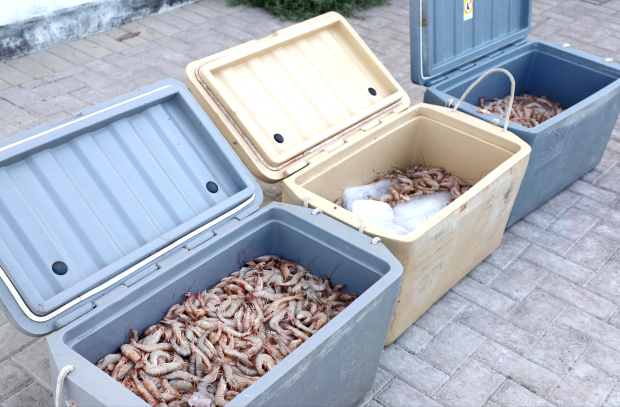
An annual ban on shrimp fishing in Bahrain’s territorial waters will be lifted on Saturday, the Supreme Council for Environment (SCE) has announced.
The six-month prohibition, which came into effect on February 1, was introduced to protect marine stocks and ensure their long-term sustainability.
According to the SCE’s General Directorate of Marine Resources, the ban on the fishing, trading and sale of shrimp helps safeguard stocks during the breeding and spawning season, contributing to greater availability in local markets once the fishing season resumes.
“We would like to praise the efforts of the co-operating authorities involved in monitoring and enforcement throughout the ban period,” the directorate said in a statement yesterday.
It also highlighted the fishing sector’s strong spirit of co-operation and commitment to complying with the ban.
“This collaboration reflects the people’s dedication to protecting and ensuring the sustainability of the country’s marine resources,” the directorate added.
Bahrain’s annual six-month shrimp fishing and trading ban is designed to protect marine life and allow shrimp stocks to recover.
The conservation measure aims to prevent fishing during peak breeding and juvenile growth periods, helping safeguard local shrimp populations from overexploitation.
Throughout the ban, the catching, selling, or displaying of fresh shrimp is prohibited.
Violators face fines ranging from BD300 to BD1,000, potential imprisonment of up to one month, and the confiscation of both the illegal catch and any equipment used in the offence.
During the ban, vessels are legally barred from even carrying shrimping nets, specialised tools, or related gear while moving through or berthing in designated shrimping sectors.
The SCE, in co-ordination with the Coast Guard, carries out regular land and sea inspections, with patrols targeting markets, ports and coastal areas to combat illegal fishing.
Past enforcement campaigns have resulted in the seizure of significant quantities of shrimp, with individual raids yielding between 90kg and more than 630kg, while seasonal totals have approached 9,000kg.
nader@gdnmedia.bh
&uuid=(email))