

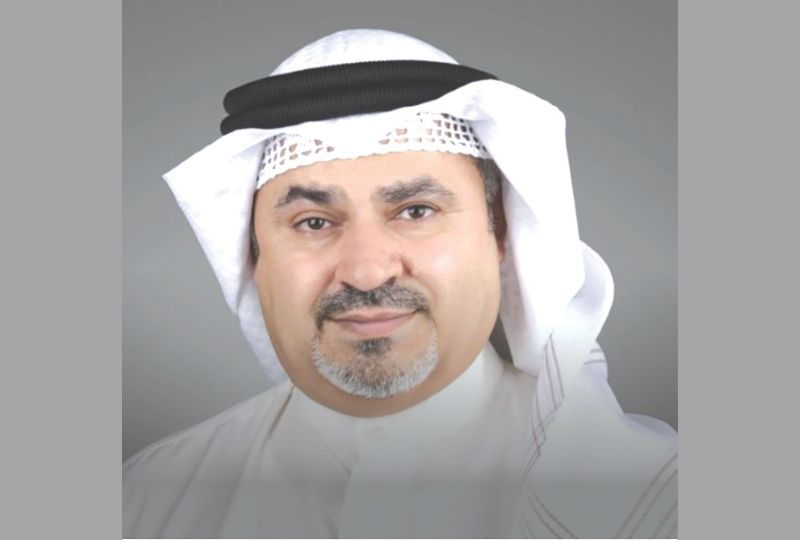
A disability rights advocate has called for surveillance cameras linked to an AI-powered monitoring system to be installed in care facilities across Bahrain to better protect vulnerable individuals.
Bahrain Association for Parents and Friends of the Disabled vice-president Dr Abdul Rahman Al Hashemi said communication barriers can leave some children with intellectual disabilities and autism at greater risk of physical, verbal and sexual abuse, as they may face difficulties reporting what they have experienced.
“There have been cases where children have been subjected to abuse, but there may also be incidents that go undetected because some centres are not adequately monitored,” he told the GDN.
“We never truly know what happens behind closed doors if there is no form of monitoring. For example, if a caregiver is using excessive force by pressing down on a child’s hand or wrist, how would anyone know?”
Dr Al Hashemi proposed that government authorities collaborate with care facilities and rehabilitation centres to instal surveillance cameras supported by AI technology capable of analysing interactions and identifying potential signs of abuse or inappropriate behaviour.
“AI could be trained to recognise facial expressions and behavioural cues that may indicate fear, distress or discomfort during interactions, prompting further investigation where necessary,” he said.
“If the system detects a possible violation, it could immediately alert the relevant authorities or the facility’s management, allowing someone to check on the child, ensure their safety and take action.
“The presence of cameras alone may also act as a deterrent, making potential abusers think twice before engaging in inappropriate behaviour,” he added.
His concerns are supported by research published in The Lancet in 2022, which found that children and adolescents with disabilities experience physical, sexual and emotional violence, as well as neglect, at significantly higher rates than their peers without disabilities.
The review examined 26,204 records, assessed 386 full-text articles and ultimately included 98 studies involving more than 16.8 million children. It found that the overall prevalence of violence against children with disabilities was 31.7 per cent.
Dr Al Hashemi stressed that protecting vulnerable children requires a collaborative effort between government agencies, healthcare professionals and care providers.
“Even a single incident of abuse during childhood can have lifelong consequences if it is not identified and addressed quickly, including physical, psychological, behavioural and developmental effects,” he said.
He also recommended that care facilities be required to repair faulty surveillance cameras within 48 hours, suggesting that centres failing to restore monitoring within that time frame should face financial penalties, such as a BD100 fine.
According to previously published GDN statistics, Bahrain is home to 3,990 individuals with physical disabilities, 2,210 with hearing impairments, 1,302 with visual impairments, 5,332 with mental and psychological disabilities, and 911 people living with multiple disabilities.
julia@gdnmedia.bh
&uuid=(email))