

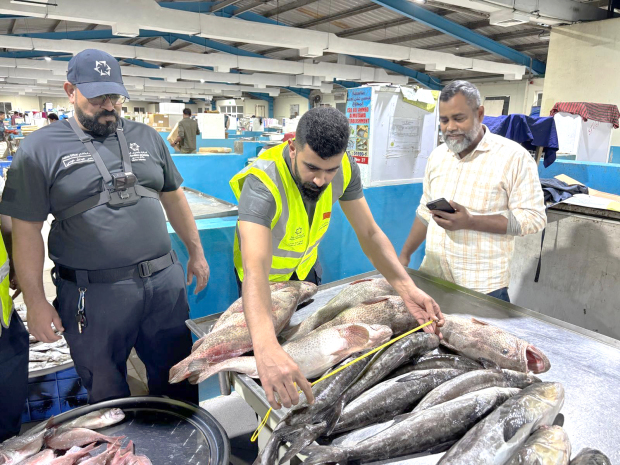
Bahrain’s shark populations could benefit from stronger conservation measures, with a leading environmental expert calling for further decisions and regulations to protect the species inhabiting the kingdom’s waters.
Speaking during an online seminar titled ‘Sharks in Bahrain’, Supreme Council for Environment (SCE) senior environmental specialist Jawaher Bunajma said sharks have been part of Bahrain’s marine environment for millions of years and remain an important part of its ecosystem and maritime heritage.
Ms Bunajma, who led the seminar organised by the SCE, said geological evidence suggests sharks may have inhabited the region as far back as 40 to 50 million years ago.
Today, more than 40 shark species are believed to inhabit Bahrain’s waters, playing a vital role in maintaining healthy marine ecosystems while facing growing pressures from fishing, habitat loss and other threats.
“The presence of shark species in the waters of the kingdom is not a recent phenomenon. There is evidence and geological records suggesting that they have been around for millions of years,” Ms Bunajma said.
“The discovery of a shark tooth suggests that they could have been around almost 40 to 50 million years ago.
“Today, they continue to inhabit the waters of the Arabian Gulf, especially around Bahrain.
“Their presence and influence extends to Bahraini history and even place names. On the eastern coast of Bahrain, there is an area called Ras Abu Jarjur.
“Jarjur is the common and popular term for sharks in Bahrain, reflecting their presence in local memory and maritime culture.”
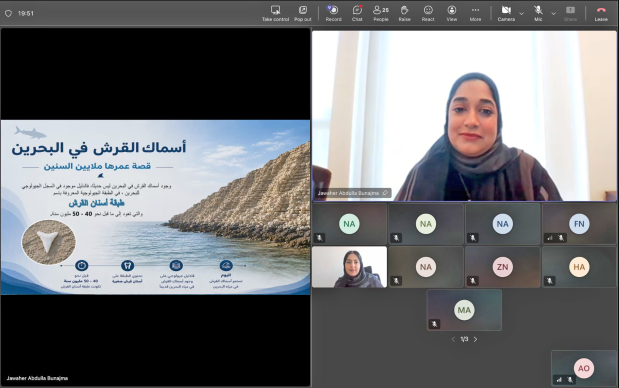
Ms Bunajma leads the seminar
Sharks are vital to Bahrain’s marine environment because they keep food chains balanced, protect delicate habitats like seagrass meadows from overgrazing, and act as indicators of a healthy sea.
They hunt sick or weak fish, which stops diseases from spreading among fish in the region.
They also scare plant-eating animals away from staying too long in one seagrass bed. This stops the grass from being destroyed.
Research shows sharks use and protect Bahrain’s coral reefs and seagrass even during extreme summer heat.
Bahraini waters are home to more than 40 shark species, including the whale shark, blacktip shark, hammerhead shark, silky shark, the Arabian carpet shark and the sawfish, which is commonly known as Qirsh Abu Siyaf (‘Father of Swords Shark’).
“None of these shark species pose a danger to humans as they do not consider humans to be prey,” said Ms Bunajma.
“Incidents are very rare, and to add to that, Bahrain has never registered a single shark attack in its history.
“Most negative imagery comes from films that depict them as blood-thirsty monsters such as Jaws, The Meg and 47 Metres Down.
“In reality, they do not attack just because they smell blood from a small cut or wound.
“But it is better to know how to behave in front of them, especially if you are going diving. If you are close to a shark species, do not make any sudden movement, and do not follow it because if it may attack people out of fear.”
Ms Bunajma added that updating legislation is an ongoing process and she hopes to see more decisions and regulations aimed at conserving the kingdom’s species.
Chapter 10 of Environment Law No 7 of 2022 deals heavily with biodiversity preservation and mandates the protection of vulnerable marine life.
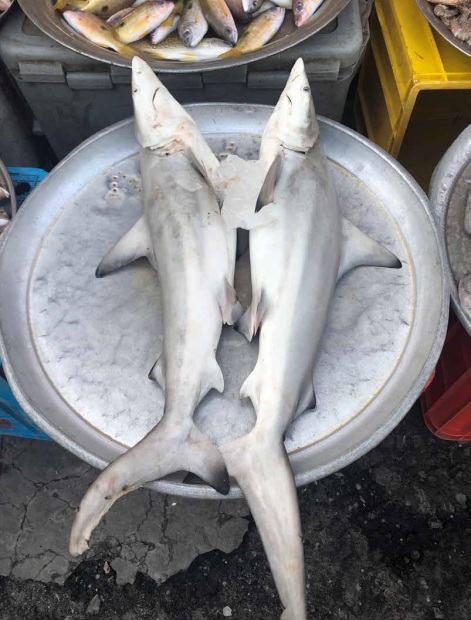
Flashback: Blacktip sharks found in Bahrain’s markets
Several shark species in the Arabian Gulf are classified as critically endangered or vulnerable, bringing them under the law’s strict anti-poaching and conservation mandates.
The SCE also strictly enforces the Convention on International Trade in Endangered Species (CITES) rules under the umbrella of national environmental regulations.
It is strictly illegal to import, export, or transit shark fins through Bahrain without a specialised CITES certificate.
Even personal transport of sharks – in any form, including just the fins – is heavily regulated and subject to confiscation and prosecution at borders, if unauthorised.
Selling banned or endangered shark species such as the zebra shark or the great hammerhead triggers heavy environmental fines and legal penalties against both the fishermen and the vendors.
The GDN reported yesterday that conservationists in Bahrain are making waves when it comes to protecting the shark species that inhabit the kingdom’s waters using eDNA and underwater video systems.
With more people concerned than ever over the protection of approximately 70 species of sharks and rays in Bahrain’s waters, researchers have gathered unprecedented knowledge about these creatures.
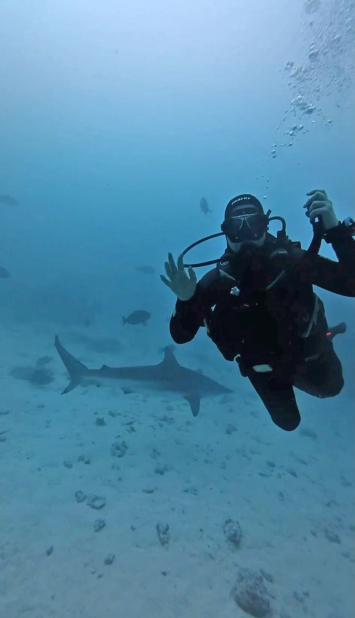
Swimming with sharks
Scientists estimate that more than 40 shark species and 30 ray species inhabit Gulf waters, though many remain poorly studied.
Surveys conducted in 2012 described populations of species such as tiger sharks, bull sharks and great hammerheads as ‘nearly depleted’.
Recovery is difficult because they reproduce far more slowly than most fish species. Many sharks do not reach sexual maturity until between the ages of seven and 15.
Combined with the loss of shallow coastal nursery habitats, depleted shark populations can take decades to recover from sustained fishing pressure.
nader@gdnmedia.bh
&uuid=(email))