

Fourteen men went on trial in Paris yesterday on smuggling charges related to the drowning of more than 30 people in the Channel five years ago, the worst disaster on record involving migrants in the narrow seaway separating France and Britain.
The people perished after their overloaded dinghy deflated as they made the perilous crossing across one of the world’s busiest shipping lanes.
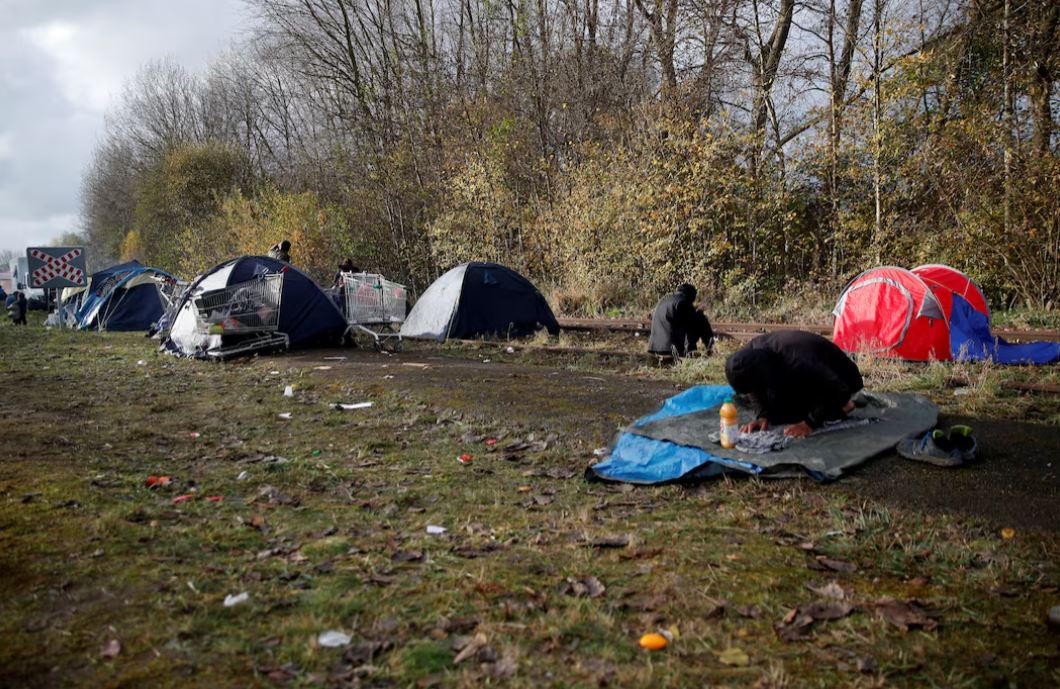
Investigators allege that Afghan and Iraqi-Kurdish smuggling networks organised the migrants’ passage to Britain from camps near Grande-Synthe and Calais in northern France. The defendants face charges including involuntary manslaughter, facilitating illegal immigration as part of an organised gang and criminal conspiracy.
A French fishing vessel alerted emergency services after spotting bodies floating in the waters off the French coast near Calais in November 2021, according to the court referral order. Twenty-seven victims were recovered, while at least four others were never found. Only two men survived.
The victims were mainly Iraqi Kurds, but also included Afghans, Ethiopians, an Egyptian, a Somali national, an Iranian Kurd and a Vietnamese national.
The youngest known victim was a 7-year-old girl.
The migrants had been packed on to a flimsy dinghy that was non-certified and unfit for open-sea navigation, and was not equipped with enough life jackets, the court document showed. Experts concluded its occupants had ‘no chance’ of effectively dealing with an emergency at sea.
Among the defendants facing involuntary manslaughter charges are alleged organisers, transporters and logistics coordinators connected to the smuggling groups. Prosecutors argue their actions helped create the conditions that led to the disaster, even if some were not physically present when the boat launched.
Two defendants’ lawyers said their clients could not be held responsible for the deaths as they played minor roles in the chain of events.
&uuid=(email))