

In Dhaka, the capital of Bangladesh, Parvin Akter times her cooking to the neighbourhood’s availability of piped gas. With gas in intermittent supply as a result of a global energy crunch, she now sometimes has to wait until midnight to cook her dinner.
Even switching to an induction cooker has not helped, as power outages often leave food half-cooked.
More than 2,000km away on the other side of South Asia, in Pakistan, the government has started a fuel subsidy that went into effect on Wednesday to ease the sharp rise in fuel prices.
The problems at the two chokepoints have driven Asian spot liquified natural gas (LNG) prices back toward $30 per million British thermal units this week, the second such spike this year, from about $10 before the war.
Shell estimates the world has lost roughly 36 million tonnes of LNG from the Middle East so far this year, and the shortage is particularly hitting countries where governments have limited financial leeway to intervene.
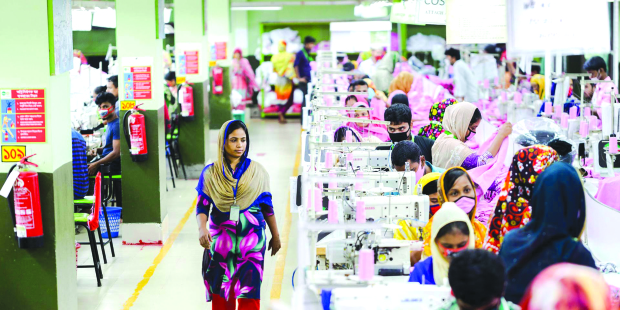
In Bangladesh, the shortfall has triggered blackouts and factory shutdowns. Pakistan and other countries in the region are rushing to blunt public anger with hastily introduced subsidies.
The strain shows up in orders in its garments industry, the country’s biggest export. A survey of knitwear factories by the BKMEA trade group found 55 per cent had seen buyers cancel or cut orders because of gas and power shortages since late August.
&uuid=(email))