

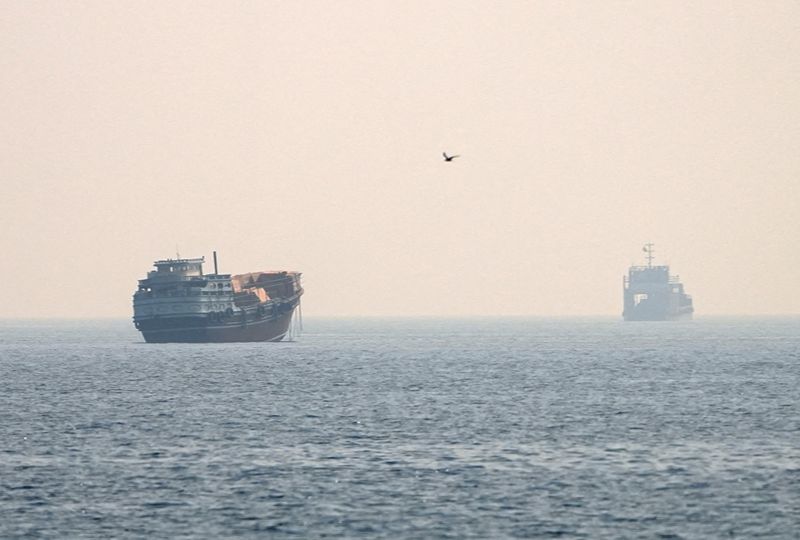
The Gulf region, one of the world’s most vital economic hubs, is once again passing through a period of uncertainty and growing anxiety.
The long-standing political and military rivalry between the US and Iran appears to be intensifying in light of recent developments, raising concerns across the international community.
Any conflict in this strategically important region affects not only the countries directly involved but also the global economy, energy security and the lives of millions of people around the world.
The differences between the US and Iran have deep historical roots. Iran’s nuclear programme, economic sanctions, competition for regional influence, and their opposing positions on various conflicts across the Middle East have continuously complicated bilateral relations. As a result, even a seemingly minor incident has the potential to escalate into a major diplomatic crisis or military confrontation.
The Gulf is one of the world’s most important oil and natural gas producing regions. Instability in this area is quickly reflected in international energy markets. Rising fuel prices increase transportation costs, food prices and industrial production expenses, ultimately affecting the daily lives of ordinary people across the globe.
Another major concern is the expatriate community. Millions of foreign workers are employed in Gulf countries. Their safety, job security and the financial well-being of their families are closely linked to peace and stability in the region. Even a limited conflict could disrupt air travel, trade and employment opportunities, creating widespread uncertainty.
History has repeatedly demonstrated that military might alone cannot secure lasting peace. Wars often leave behind enormous human suffering, economic devastation and deep social scars. For this reason, diplomatic engagement and efforts to rebuild mutual trust must remain the highest priority for all nations involved.
At this critical juncture, the United Nations and other international organisations must play a more active role in preventing further escalation. Regional and global powers alike must exercise restraint and work sincerely to prevent the conflict from spreading. Every step towards peace is an investment in humanity’s future.
Peace in the Gulf is not merely a regional necessity – it is essential for global economic stability and energy security. Mutual respect, constructive dialogue and international co-operation are more important today than ever before. It is the language of peace, not the language of war, that can lead humanity towards a more secure and prosperous future.
Today, the world’s attention is once again focused on the Gulf. The hope shared by millions is that this crisis will not escalate further and that diplomacy will prevail over confrontation. For in war, there are no true winners; the only lasting victory is peace.
Majeed Kurikkilad
&uuid=(email))