

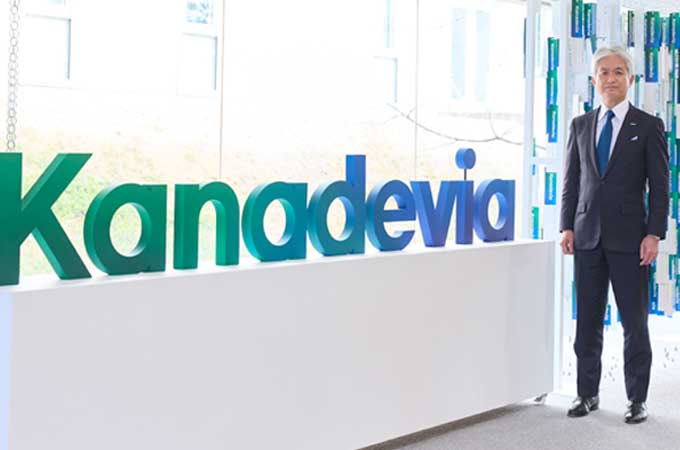
Japan-based Kanadevia Corporation has signed a strategic partnership agreement with Bahwan Engineering Company (BEC) to collaborate on the development of green hydrogen and low-carbon fuel projects in Oman.
The agreement establishes a framework for cooperation across the entire project lifecycle, enabling the two companies to jointly pursue emerging hydrogen opportunities in the Sultanate as Oman accelerates its clean energy transition and green hydrogen ambitions.
Under the partnership, Kanadevia and BEC will collaborate on project bidding, engineering, procurement, manufacturing, and sales for green hydrogen, e-methane, and other low-carbon fuel developments.
"This agreement aims to strengthen cooperation between the two companies across all stages of project development, including from the bid preparation phase through to engineering, procurement, manufacturing, and sales for low-carbon fuel projects such as green hydrogen and emethane in Oman," said a spokesman for Kanadevia Corporation.
"By combining Kanadevia's core water electrolysis stack technology, which forms the heart of its hydrogen production systems, with BEC’s extensive local experience in construction and engineering and its strong customer base, the two companies will establish a structure to deliver higher-quality solutions for the rapidly growing low-carbon fuel projects in Oman," he stated.
The alliance combines Kanadevia’s advanced water electrolysis stack technology, a key component of hydrogen production systems, with Bahwan Engineering’s extensive local engineering, construction, and project execution capabilities, as well as its established customer network in Oman.
The Japanese group is already involved in the development of hydrogen-based methanation projects in Oman. The company has previously signed a contract with Oman LNG to undertake technical verification and engineering services for one of the world’s largest commercial e-methane (synthetic methane) production plants.
The facility is expected to convert captured carbon dioxide (CO₂) into e-methane using green hydrogen, supporting decarbonization efforts within the energy sector, it added.
&uuid=(email))