

A new chapter is opening for Bani Jamra, one of Bahrain’s villages best known for its traditional handloom weaving heritage, with a major sewage network project now moving towards implementation.
The long-awaited infrastructure upgrade has reached the tender stage, covering sewerage works in Bani Jamra and surrounding areas as part of efforts to modernise essential services while preserving the character of a community with a distinctive place in Bahrain’s cultural history.
The project, tendered under SES-25/0008, covers blocks 531, 537, 539, 543, 545 and 551, with the tender closing on November 18, 2026.
The sewage scheme is expected to be the first in a series of infrastructure projects planned in Bani Jamra, paving the way for a broader revamp of the village and improvements to its roads, services and public infrastructure.
The aim is to ensure that Bani Jamra’s historic identity and distinctive community life are matched by facilities capable of serving present and future generations.
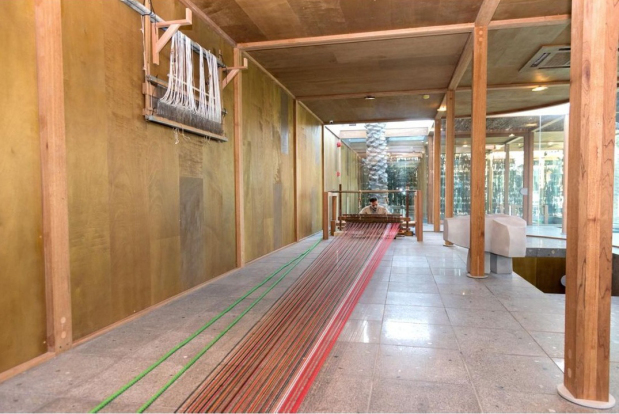
Bani Jamra’s weaving heritage is closely linked to the old Bahraini handloom tradition, in which skilled artisans produced textiles using techniques passed down through generations. The village became particularly associated with weaving and the production of traditional fabrics, making it an important part of Bahrain’s living craft heritage.

Mr Al Mahfoodh
Area MP Jalal Kadhem Al Mahfoodh praised the Works Ministry for putting the sewage project out to tender, describing it as an important transition for a service file that residents have been following for years.
“The tendering of the sewage network project marks an important move from years of follow-up to a practical stage that prepares the way for implementation,” Mr Al Mahfoodh said.
He said the progress followed continuous co-ordination between parliamentary and municipal representatives and the Works Ministry, with field visits, meetings and follow-up helping to bring residents’ requirements to the attention of the relevant authorities.
Mr Al Mahfoodh also praised the efforts of Northern Municipal Council member Bassem Abu Idrees, highlighting their joint follow-up of the project and the needs of Bani Jamra residents.
Mr Abu Idrees said the tender was the result of sustained field work and communication with the Works Ministry.
He also praised the ministry’s engineering and technical teams for their co-operation, stressing that follow-up would continue beyond the tendering stage until the project is awarded and work begins.
The two representatives said they would continue co-ordination to monitor the project through its next stages, with the aim of seeing the sewage network become a reality for the communities covered by the scheme.

Mr Abu Idrees
“For Bani Jamra, the development offers a glimpse of a village where heritage and modern infrastructure can advance side by side, safeguarding the foundations of daily life while keeping alive the traditions that have woven the community into Bahrain’s cultural story,” said Mr Abu Idrees.
The Bani Jamra Weaving Textiles Factory factory was recently constructed with the involvement and input of the local community, and its inauguration was attended by the village’s dignitaries as well as representatives from the local charitable fund and sports club. It pays homage to tradition with a palm-inspired design by Leopold Banchini, blending it with a modern aesthetic to attract tourists and educate Bahraini citizens and residents about the craft.
mohammed@gdnmedia.bh
&uuid=(email))