

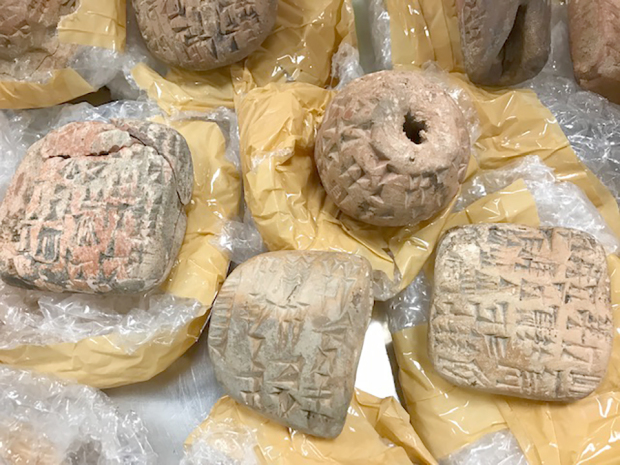
BAHRAIN and the US have announced a landmark agreement to preserve Arab cultural heritage and prevent the illegal trafficking of antiquities and artefacts.
The 2021 Manama Statement of Co-operation between the two countries was unveiled during a webinar organised by the Bahrain Authority for Culture and Antiquities (Baca) and the US Embassy.
“Bahrain and the US have a very close relationship through Baca and we look forward to working together on cultural preservation, which is a newer area for us, so we are very proud to announce this agreement,” said US chargé d’affaires Maggie Nardi.
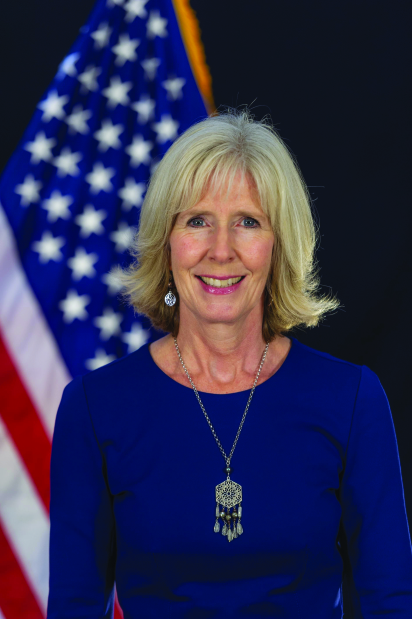
Ms Nardi
“Bahrain is dedicated to preserving antiquities and making sure that looting does not happen, and also that forgeries do not cross through borders, which has been an issue.”
Baca president Shaikha Mai bint Mohammed Al Khalifa noted the importance of the accord and the need to protect the region’s heritage.
The goal of the agreement is to create a framework to end trafficking of cultural property, disrupt the financial gains of criminal organisations that are known to sell such artefacts on the global black market, build the capabilities of law enforcement and cultural heritage professionals, and develop regional networks and partnerships between governments and NGOs, according to US principal deputy assistant secretary of state for education and cultural affairs Matthew Lussenhop.
“The Middle East and North Africa (Mena) region has a rich and diverse history, and much to lose from cultural racketeering,” said US museums and research ambassador at the Smithsonian Institution for History, Arts and Culture Dr Richard Kurin.
“Daesh (the Islamic State) made headlines around the world when it pillaged the cradle of civilisation. But the threat goes farther than Iraq and Syria.
“Looting from antiquities has funded terrorist activities in Libya and the Taliban in Afghanistan. This financing goes hand-in-hand with criminal activities like money laundering and other crimes, to which the art market is particularly vulnerable.”
Art market leaders, bankers, governments and law enforcement agencies have been calling for stronger best practices to fight back against these activities, while better protecting legitimate collectors and museums.
With Bahrain now serving a critical role as the regional headquarters of the United Nations Educational, Scientific and Cultural Organisation (Unesco), the move is set to provide a framework to prevent cultural trafficking across the region.
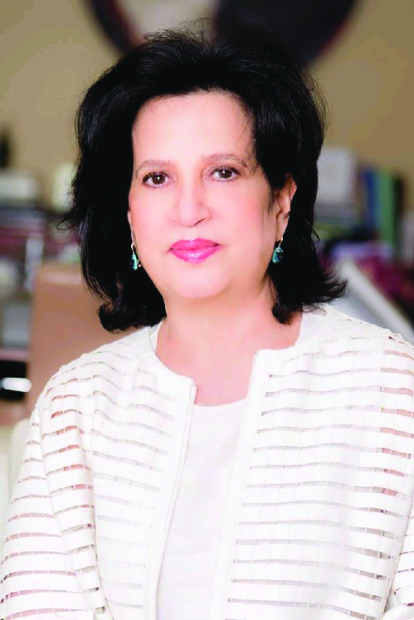
Shaikha Mai
Shaikha Mai announced plans to train staff to be more aware about forgery and trafficking, how to recognise them and to work with local authorities to apply the law.
She also noted that an important backbone of the agreement would be the ‘enlisting and cataloguing of cultural artefacts around the world’ to enable professionals to prevent trafficking.
The actual mechanisms of the agreement are still being designed and discussed, with the Arab Regional Centre for World Heritage director Dr Muneer Bushnaqi spearheading regional initiatives.
Ideas include more awareness programmes to educate the broader public about the legal framework of cultural preservation, closer collaboration between international law enforcement professionals and working with art dealers to better track movement of antiquities.
The GDN had previously reported on criminals using Bahrain as a transit point to ship fake antiquities to unsuspecting private collectors abroad.
While gangs have used conflicts in the Middle East to loot ancient relics and heritage items, other fraudsters have been busy running workshops in the region to make worthless fake artefacts.
There was also a high-profile case involving two metal trunks carrying a consignment of fake Mesopotamian antiquities.
The GDN also reported in 2015 that a shipment, containing a rare archaeological piece from Lebanon, was intercepted by Bahrain’s customs officials.
The Interpol, Europol and World Customs Organisation joined forces last year to conduct a global operation resulting in seizure of more than 19,000 archaeological artefacts and other artworks spanning 103 countries.
A total of 101 suspects were arrested, and 300 investigations opened as part of this co-ordinated crackdown.
Seizures included coins from different periods, archaeological objects, ceramics, historical weapons, paintings and fossils.
naman@gulfweekly.com
&uuid=(email))