

A major vaccination drive is being launched in schools across the kingdom to protect children against a range of diseases.
The initiative, being carried out in co-ordination with primary healthcare centres and the Education Ministry, aims to ensure that more children, particularly those in grades eight and nine, receive their recommended vaccinations on time while reducing the risk of infectious diseases spreading in schools and the wider community.
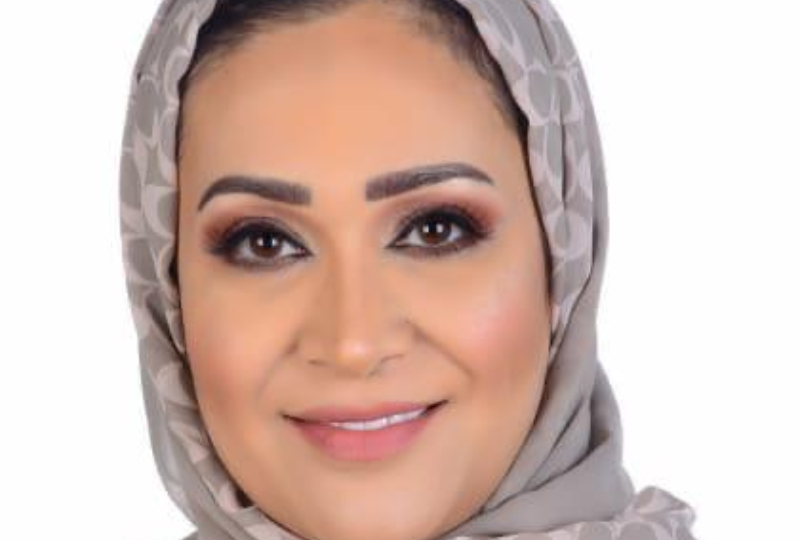
Primary healthcare centres’ maternal and child health services head Dr Muna Almohri said the campaign focuses on two key vaccinations – a booster dose of the combined Tdap vaccine and the Human Papillomavirus (HPV) vaccine.
“The first is a booster dose of the combined bacterial vaccine, which protects against three serious bacterial diseases: diphtheria, tetanus and pertussis or whooping cough,” she said during a radio interview.
“The second vaccine targets the Human Papillomavirus (HPV), a common virus that spreads from person to person. Certain strains can cause a range of diseases later in life, most notably cervical cancer, as well as other cancers that affect men.
“The campaign targets students aged 12 to 13. Pupils in grade eight will receive the Tdap vaccine and the first dose of the HPV vaccine, while the second HPV dose will be given in grade nine.”
HPV is the most common sexually transmitted infection globally. In about 90 per cent of cases, the immune system clears the virus naturally within two years without causing health problems. However, when the infection persists, it can lead to a number of health complications, including cervical cancer.
Bahrain introduced a national HPV vaccination policy two years ago, with the Health Ministry beginning school-based campaigns to administer the first dose of the vaccine in public and private schools last year.
According to the HPV Information Centre, 410,669 women aged 15 and above in Bahrain are at risk of developing cervical cancer.
World Health Organisation estimates indicate that about 21 women are diagnosed with cervical cancer in Bahrain each year, while 12 die from the disease.
Dr Almohri said administering the vaccines through schools makes them more accessible to the target age group and helps ensure that students receive their doses in line with the recommended immunisation schedule.
“Parents will receive consent forms through their children’s schools and will be asked to review the information, complete the forms and return them by the specified deadline,” she explained, adding that once the forms are collected, primary healthcare teams will co-ordinate with schools to arrange vaccination days.
“Nurses from the relevant health centres will visit the schools and work with administrative staff to organise the process.
“Vaccinations administered during the campaign will also be documented in each student’s electronic health record,” she said.
Students who are absent or otherwise unable to receive the vaccines during the school campaign will be referred to the health centre serving their residential area so they can complete the vaccination process.
Dr Almohri explained that the expected side effects are generally mild and temporary, similar to those associated with other routine vaccinations.
“These may include pain, redness or slight swelling at the injection site, while some students may experience fatigue or a mild fever,” she said.
“These symptoms typically resolve within a short period, and appropriate fever-reducing medication or painkillers may be used if needed, in accordance with medical guidance.”
Parents can also visit the Health Ministry’s website for further information about the vaccines.
“We all share the responsibility of protecting our children’s health,” Dr Almohri said. “Co-operation among families, schools and healthcare teams helps ensure that students receive the protection these inoculations provide, because prevention is always better than cure.”
julia@gdnmedia.bh
&uuid=(email))