

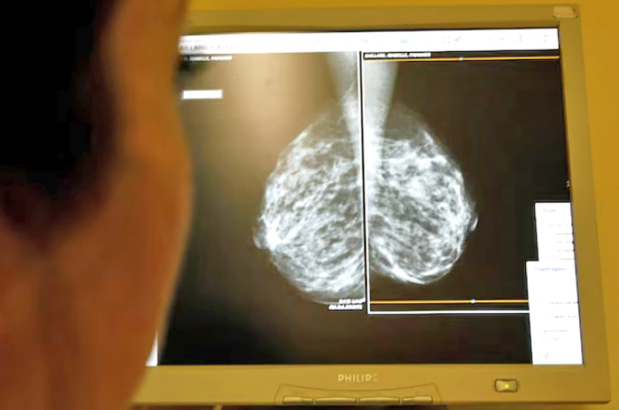
A health initiative aimed at raising awareness of various types of cancer and encouraging early screening is set to launch tomorrow in Bahrain.
‘Nahtam’ (We Care), a Health Ministry programme, seeks to promote cancer prevention and early detection by providing the community with information on risk factors, screening and other preventive measures.
As part of the scheme, the ‘Itmi’nan’ (Reassurance) campaign will run throughout October, focusing on breast and cervical cancer awareness among women.
This will be followed by the Nahtam Bih’ (We Care About Him) campaign in November, focusing on prostate cancer awareness among men.
The initiative comes ahead of Breast Cancer Awareness Month in October, which brings together organisations around the world to raise awareness of the disease.
“The programme also maintains year-round awareness efforts covering various other cancers, such as colon cancer, lung cancer and childhood cancers, among others,” Health Ministry health promotion specialist Zainab Abdali said during a radio interview.
“The upcoming campaign will target women aged 18 and above, with particular attention given to those in age groups eligible for screening and early detection.
“Awareness sessions will be delivered through in-person and online lectures tailored to the needs of participating organisations.
“If an in-person session is preferred, we will arrange for a speaker to attend, whereas for organisations unable to host a physical gathering, we can organise the session virtually. Our primary goal is to reach the widest possible audience,” Ms Abdali added.

Workshops and health exhibitions will also form part of the campaign, providing women with accurate information in a simple and positive manner while encouraging regular screening and preventive measures.
The emphasis on early detection comes amid evidence that some Bahraini women are not maintaining regular mammography screening. A study published by the GDN last month found that fewer than half of Bahraini women who had undergone a mammogram continued with regular screening as recommended.
According to the study, the most commonly reported barrier was the belief that mammography was unnecessary in the absence of symptoms, cited by 41.7 per cent of participants. Fear of pain, concerns about receiving a cancer diagnosis and lack of time were also identified as barriers.
Researchers recommended greater involvement from physicians, electronic reminder systems and increased public awareness of breast cancer risk factors, particularly among women at higher risk.
Breast cancer remains the most common cancer affecting women in Bahrain, further highlighting the importance of continued awareness and early detection. The kingdom has an age-standardised incidence rate of 52.3 cases per 100,000 women, the highest among GCC states.
Community members and businesses interested in collaborating with the programme can contact the Health Ministry at healthpromotion@health.gov.bh or on 17282303 and 17282221.
julia@gdnmedia.bh
rima@gdnmedia.bh
&uuid=(email))